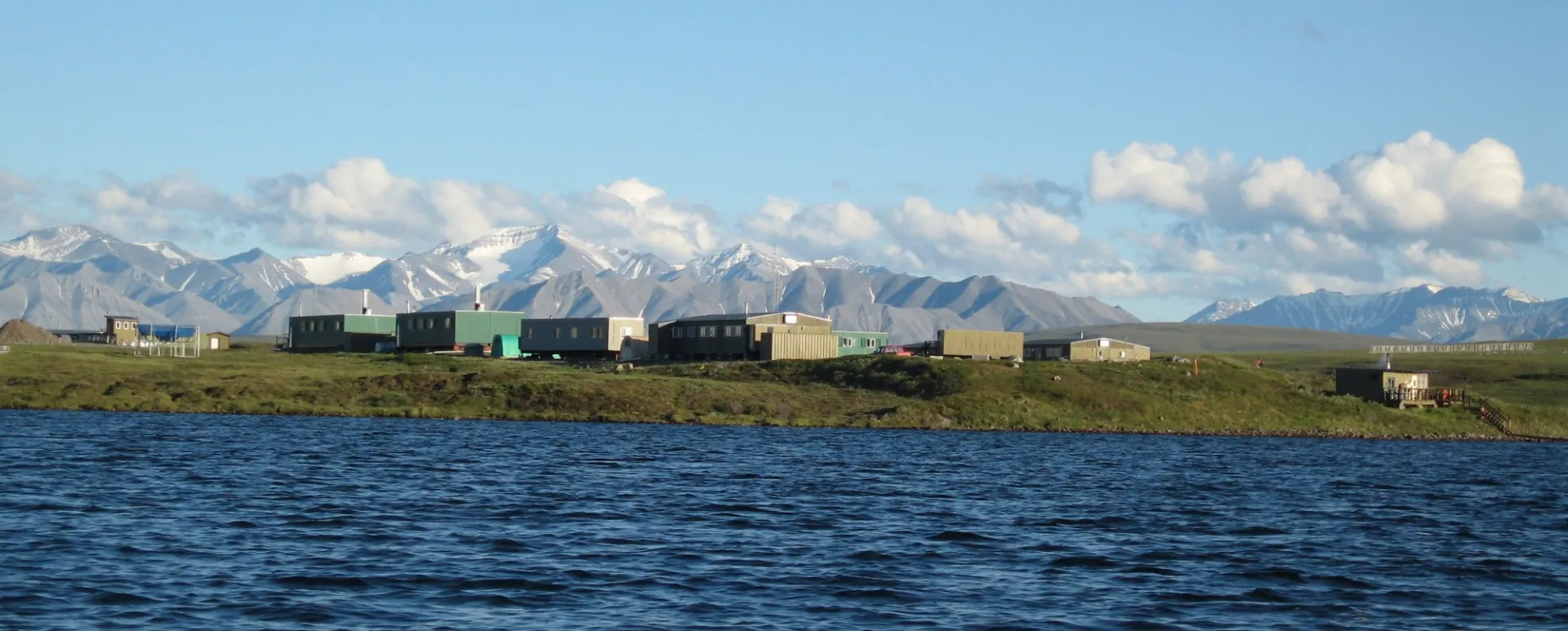
The Arctic Long Term Ecological Research (ARC LTER) site is located in the foothills of the Brooks Range, North Slope of Alaska and based out of Toolik Field Station. The Arctic LTER project's goal is to understand and predict the effects of environmental change on arctic landscapes, both natural and anthropogenic. We use long-term monitoring of ecosystem characteristics, experimental manipulation (years to decades) and modeling at ecosystem and watershed scales to gain an understanding of ecosystem structure and function, with the aim to predict the response of arctic ecosystems to environmental change.
News
2023 Diversity, Equity, and Inclusion (DEI) Statement and Action Plan has been updated for 2023
In addition there is a new document: Resources for ARC LTER PIs to Assist with Diversity, Inclusion, Equity, and Justice Issues
Charitie Ropati wins first place in REU poster competition at LTER ASM
Charitie Ropati's poster, Simulated Effects of Climate Change on Fireweed Photosynthesis, won first place in the Reserach for Undergraduates (REU) poster competion at this year's Long Term Ecological Reserach (LTER) All Scientists Meeting.
Follow PolarTREC teachers as they participate in research projects in the arctic
https://www.polartrec.com
Image Carousel with 35 slides
A carousel is a rotating set of images. Use the previous and next buttons to change the displayed slide
-
Slide 1: MAT06 Experiments
-
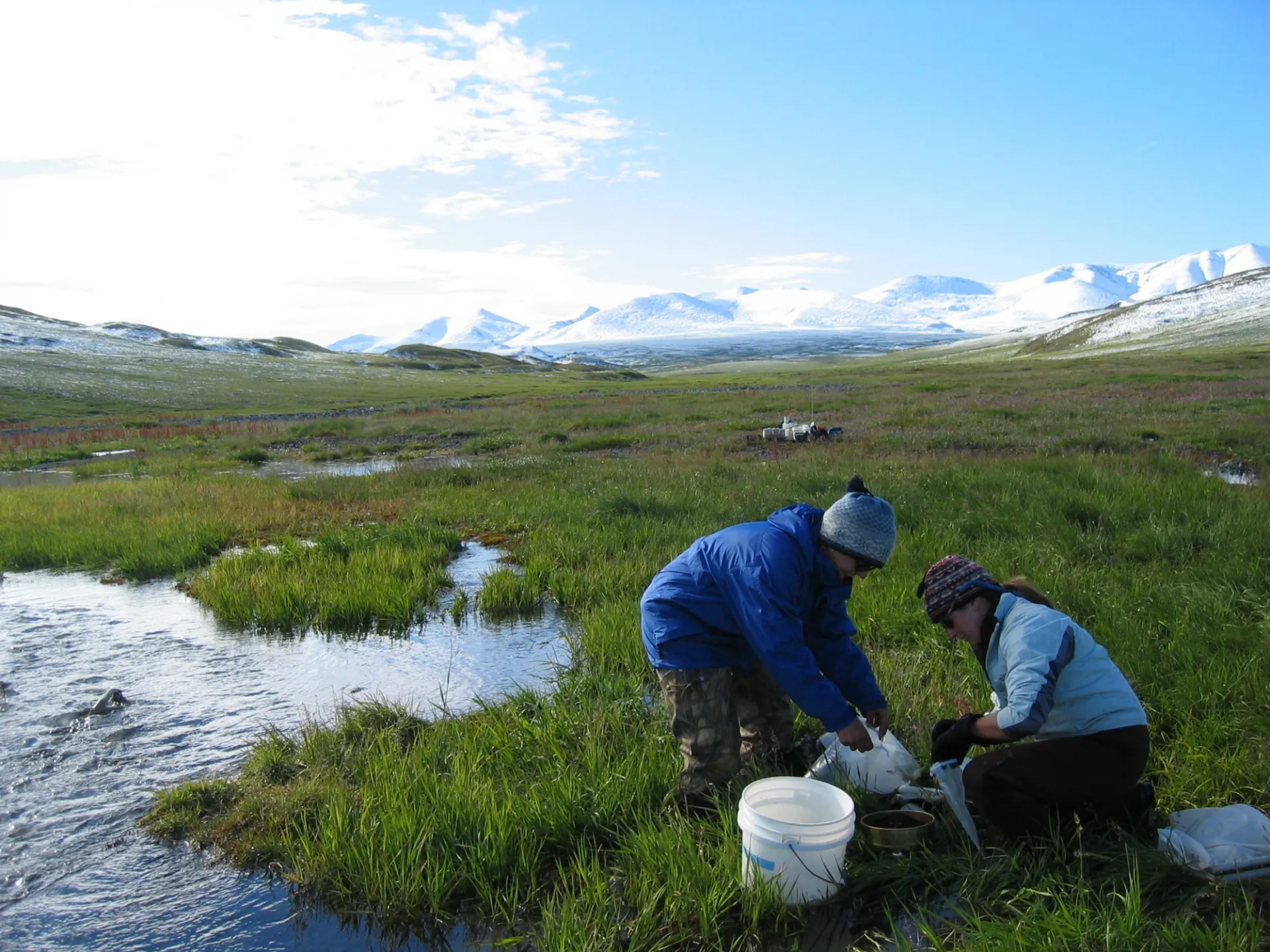
Slide 2: Aquatics sampling
-
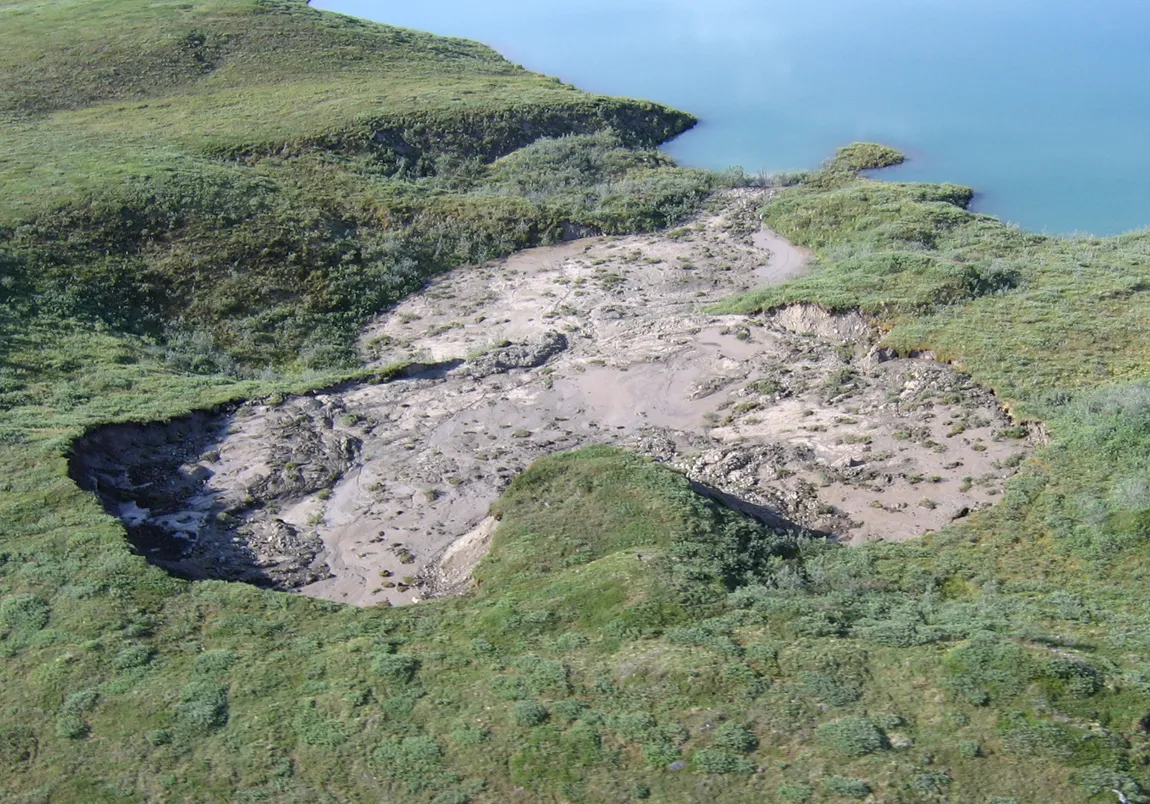
Slide 3: Thermokarst in the Arctic
-
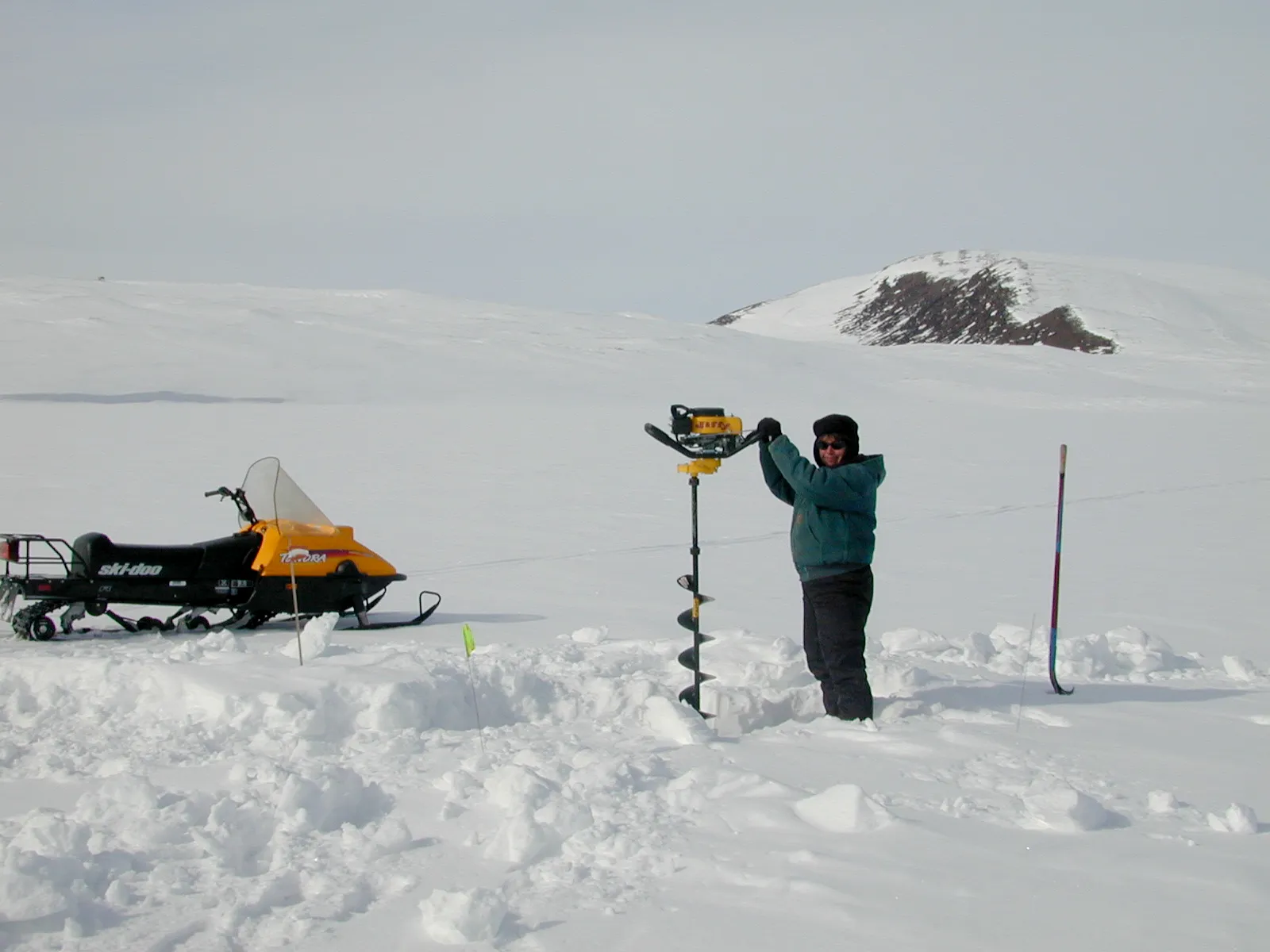
Slide 4: Sampling in the snow
-
Slide 5: Alan Krakauer
-
Slide 6: Jeremy Butler
-
Slide 7: Jackson VerSteeg, a student with Brigham Young, Credit: Jansen Nipko
-
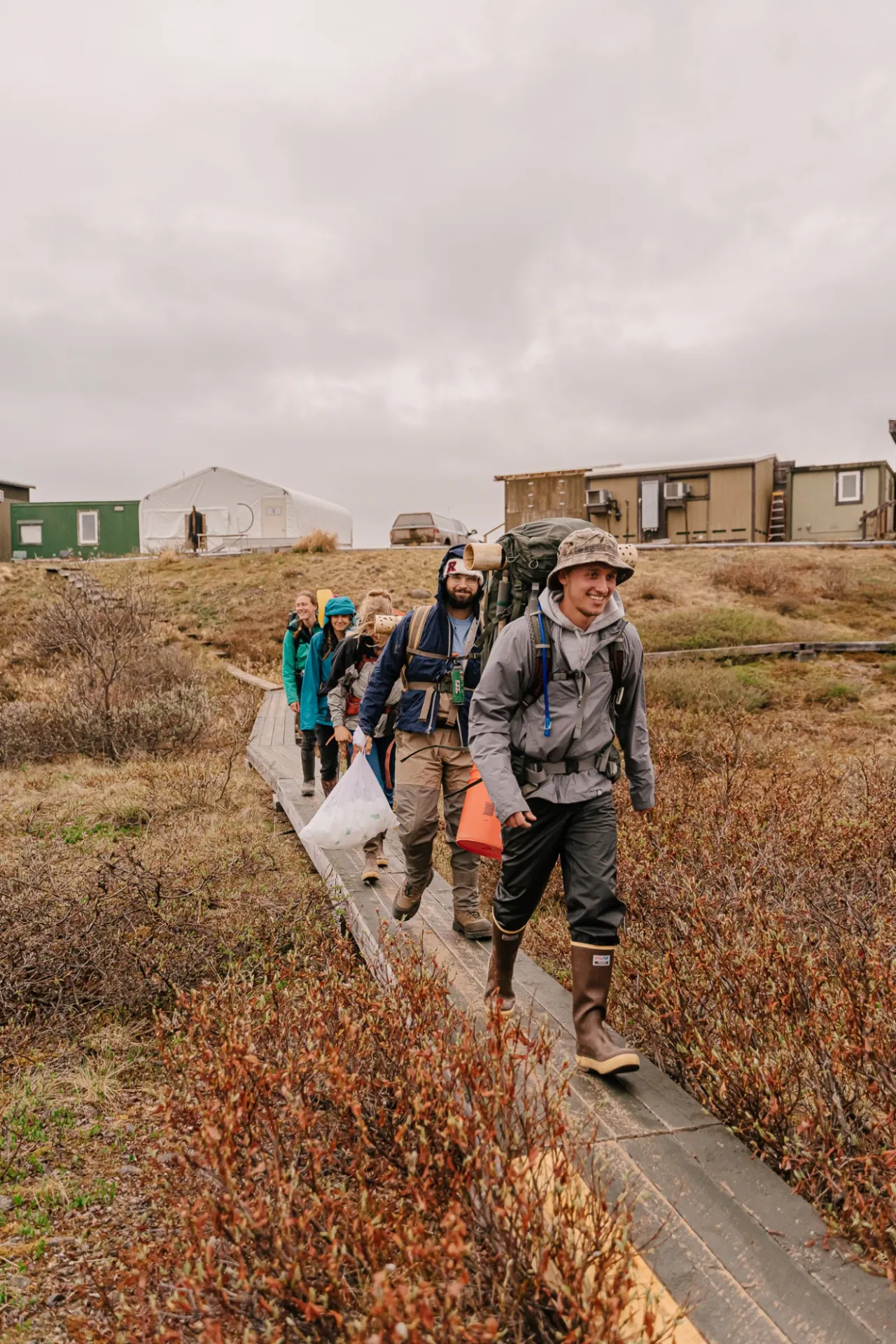
Slide 8: ArcticRIOS team en route to fieldwork at Toolik Field Station, Credit: Jansen Nipko
-
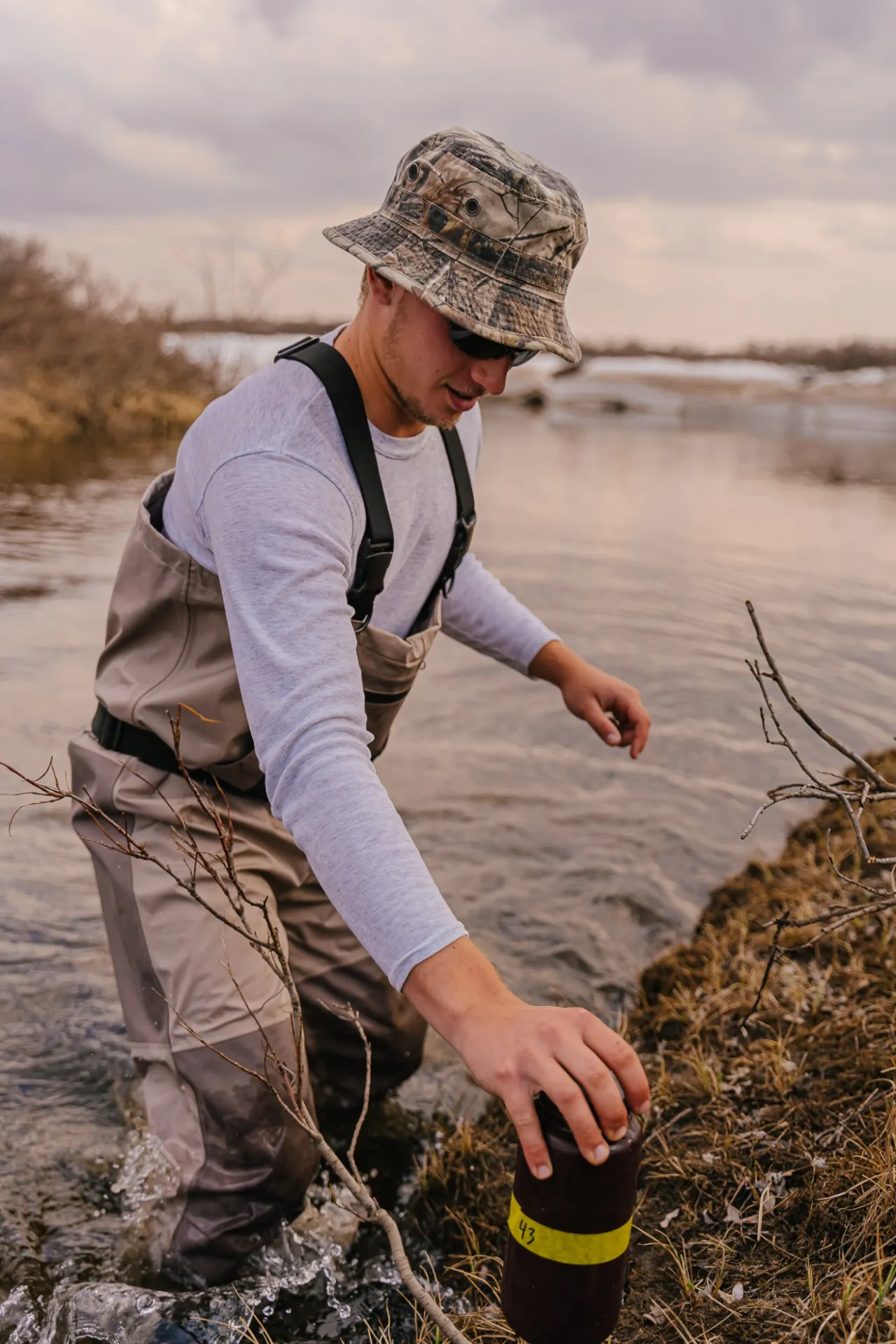
Slide 9: Amelia Grose, a graduate student at Michigan State University, collects a water sample in Trevor Creek in the Brooks Range, Credit: Jansen Nipko
-
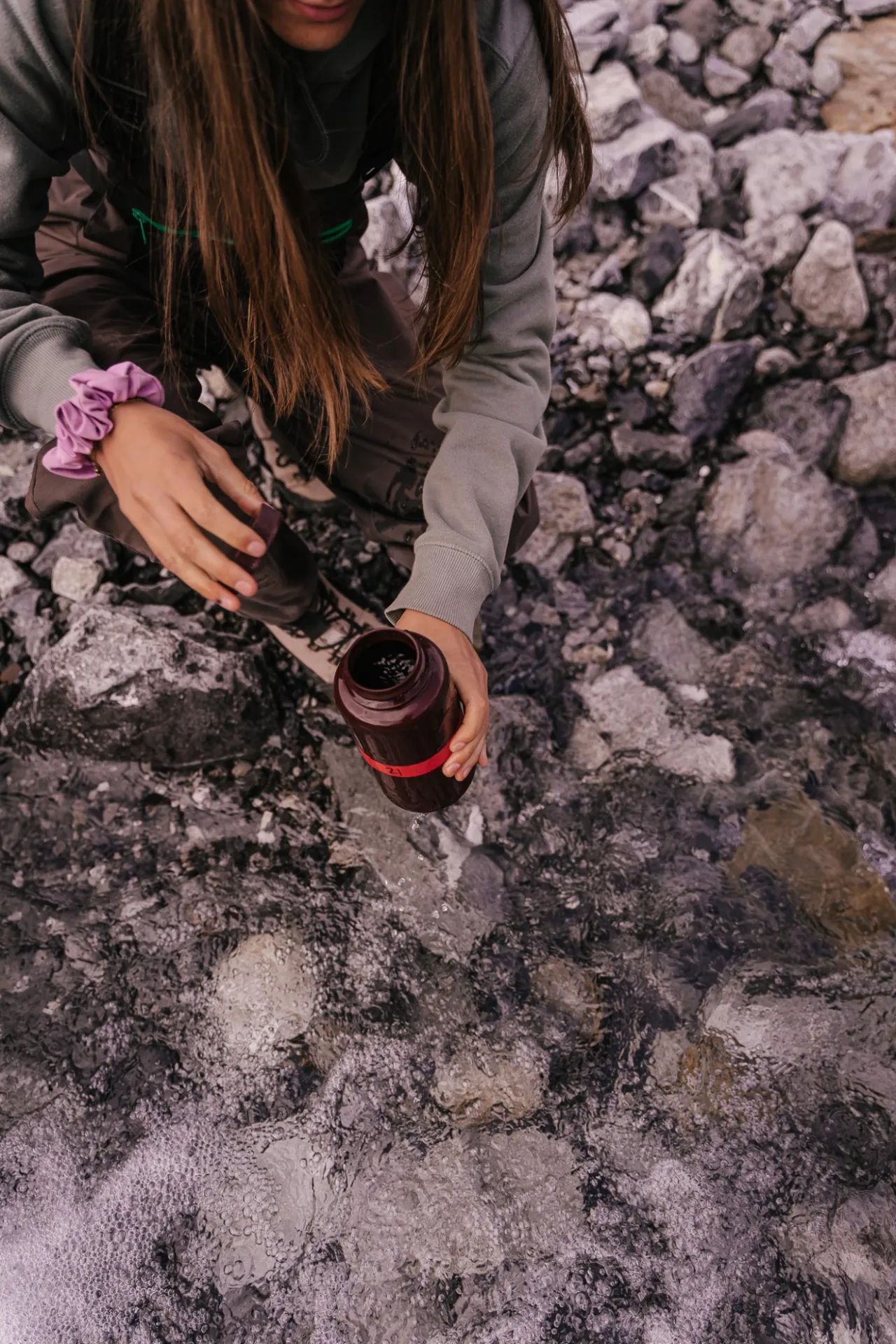
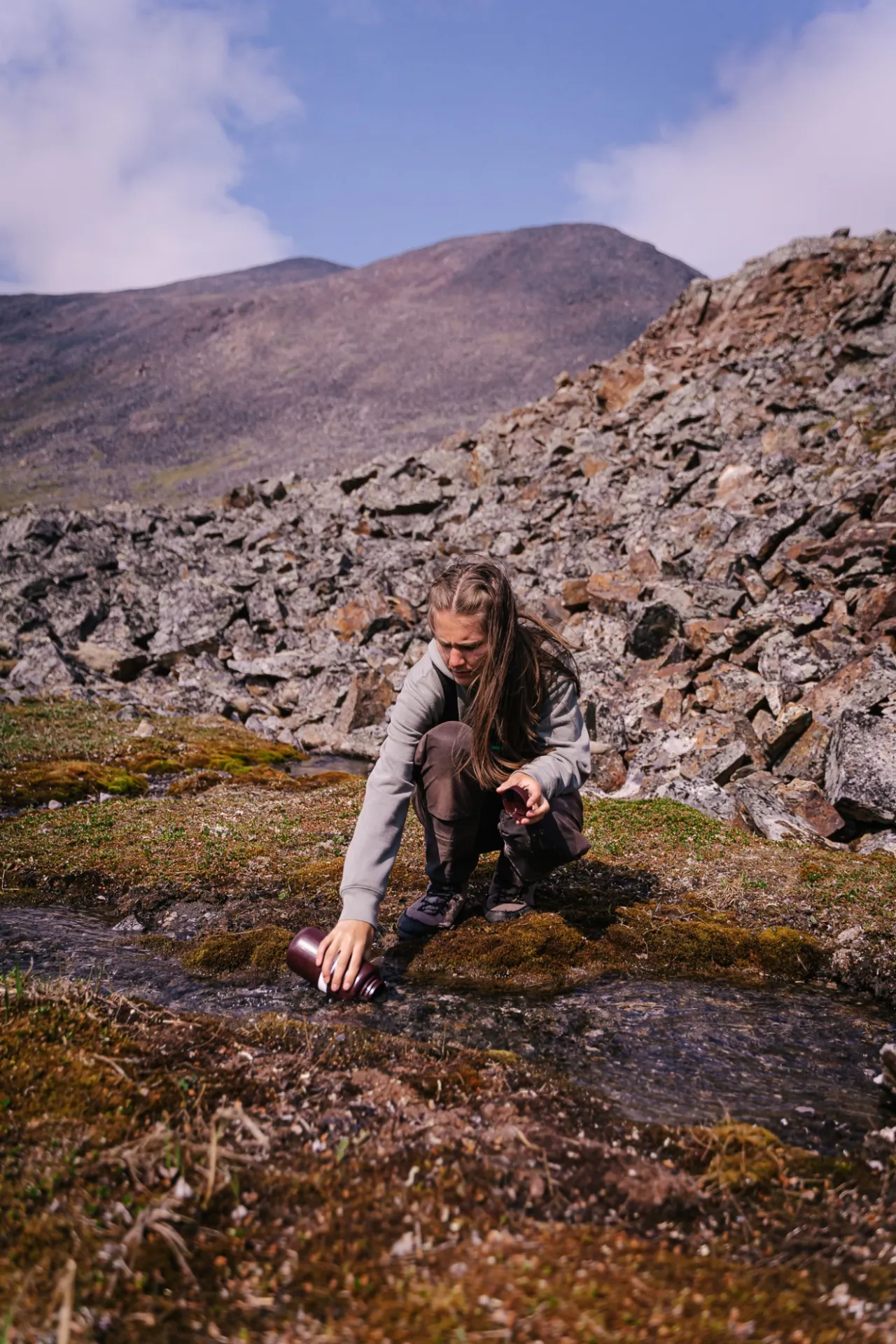
Slide 10: Michigan State University graduate student, Amelia Grose, collects soil water samples in the Brooks Range, North Slope, AK, Credit: Jansen Nipko
-
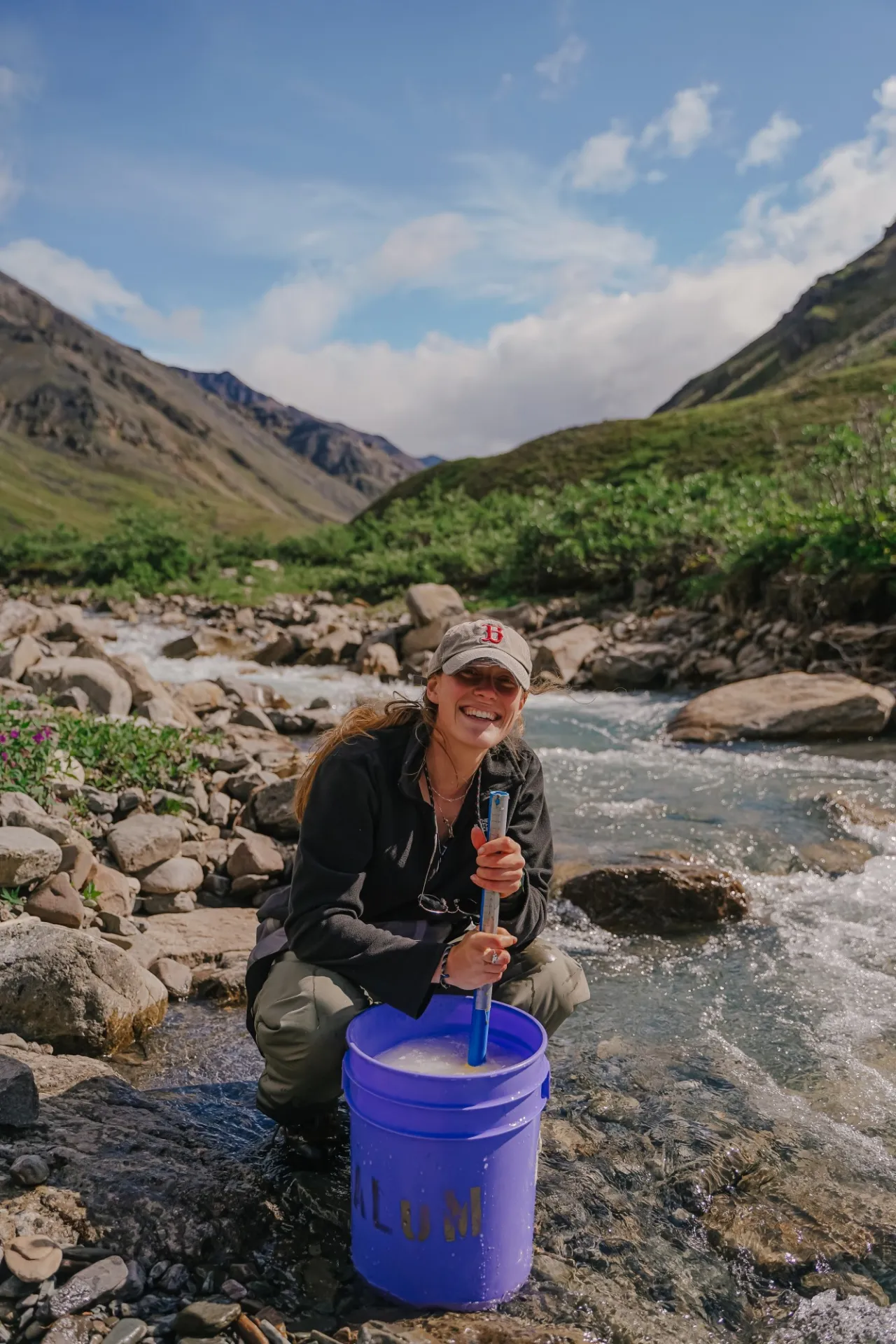
Slide 11: Graduate student Abby Rec, from University of Vermont, smiles as she stirs a salt slug mixture near Trevor Creek in the Brooks Range, Credit: Jansen Nipko
-
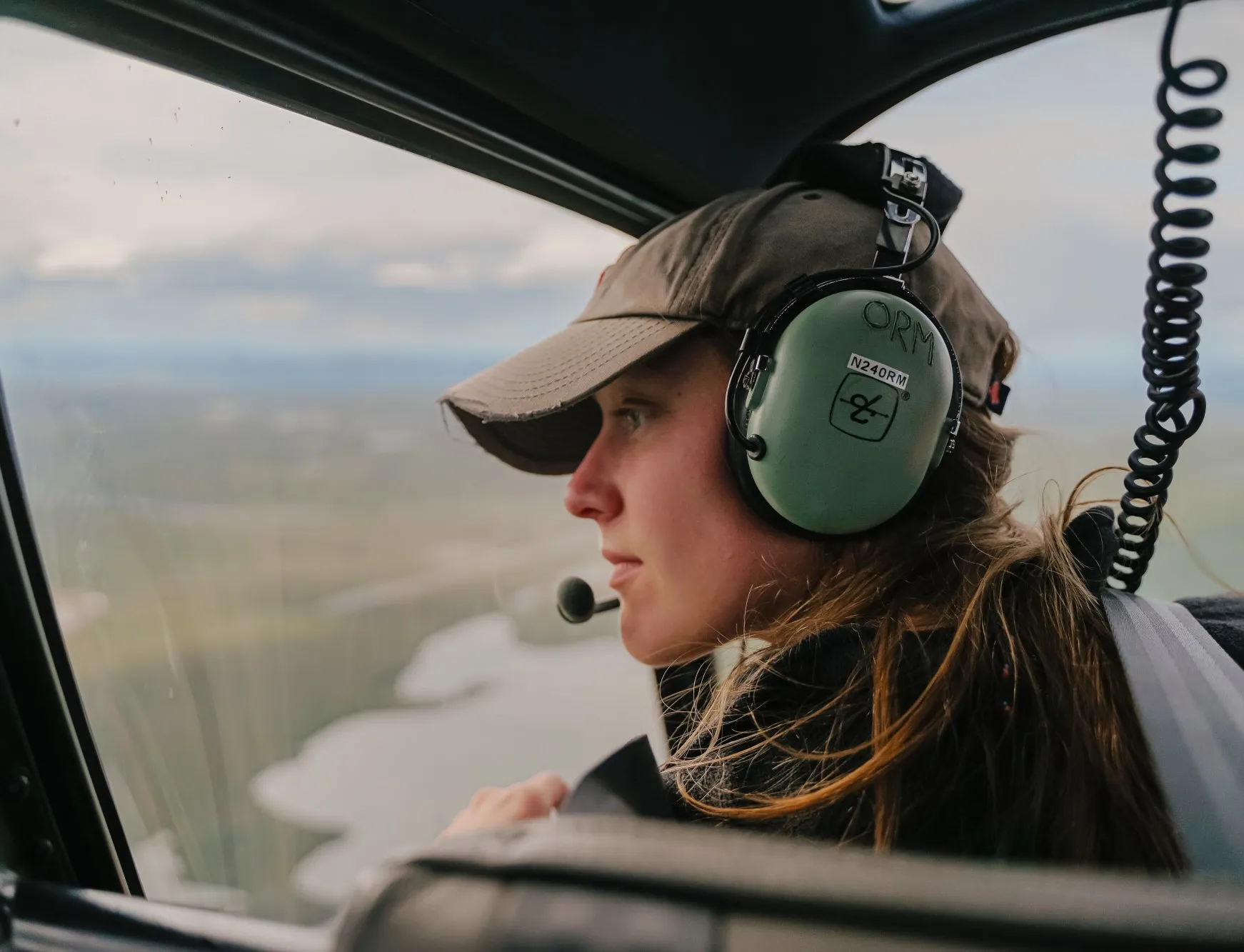
Slide 12: Abby Rec, a graduate student from University of Vermont, gazes over the Brooks Range in the North Slope of Alaska as she flies to some of her sample sites, Credit: Jansen Nipko
-
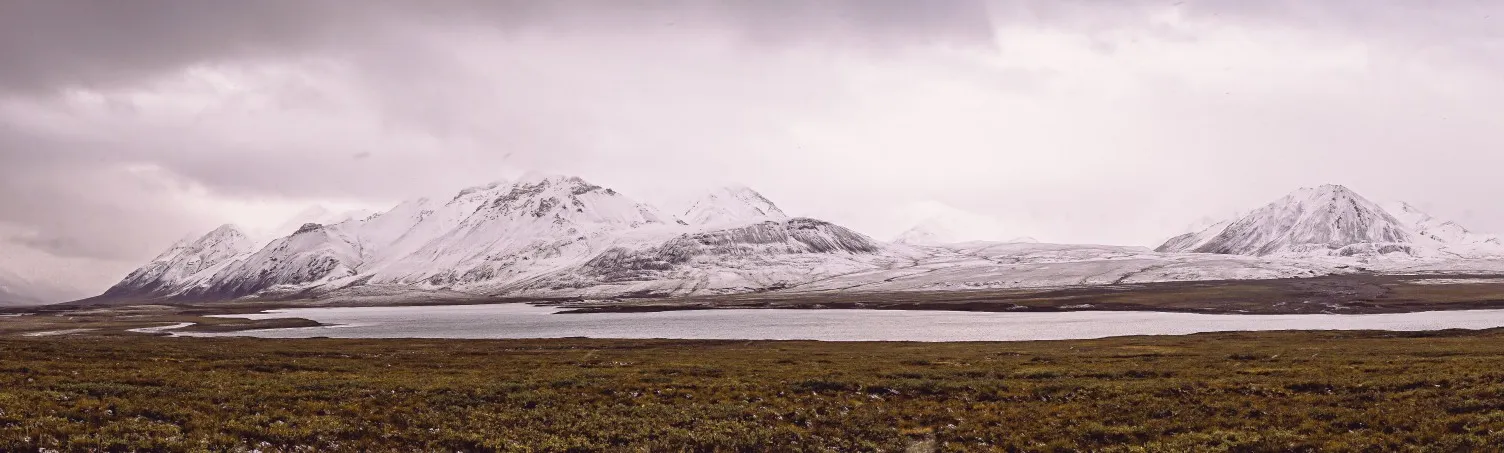
Slide 13: Galbraith Lake in the Brooks Range of the North Slope of Alaska, Credit: Jansen Nipko
-
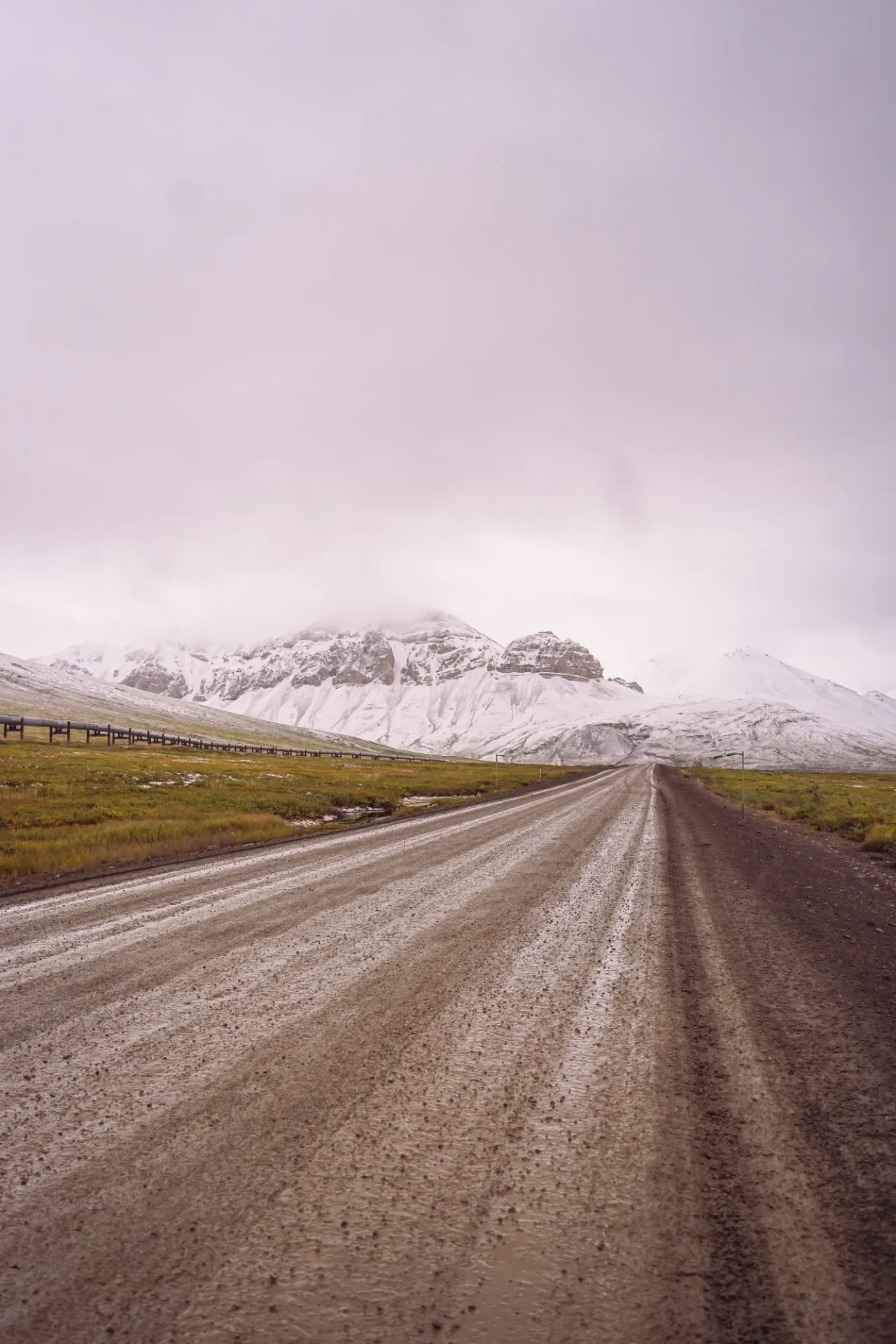
Slide 14: Molar Mountain, Brooks Range, from the Dalton Highway, Credit: Jansen Nipko
-
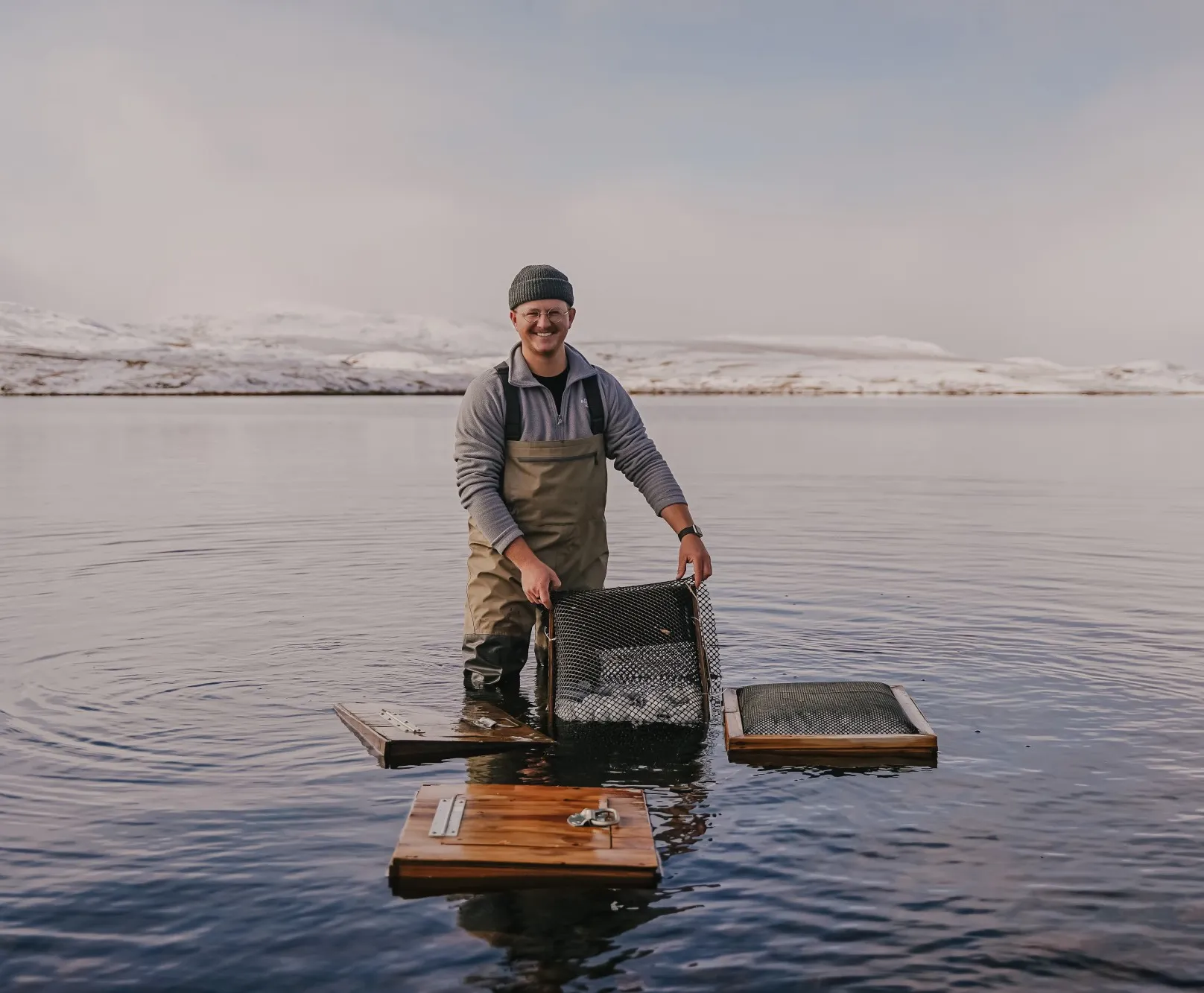
Slide 15: Undergraduate research student Jansen Nipko, from Brigham Young University, shows incubation boxes he made for an experiment, Credit: Jansen Nipko
-
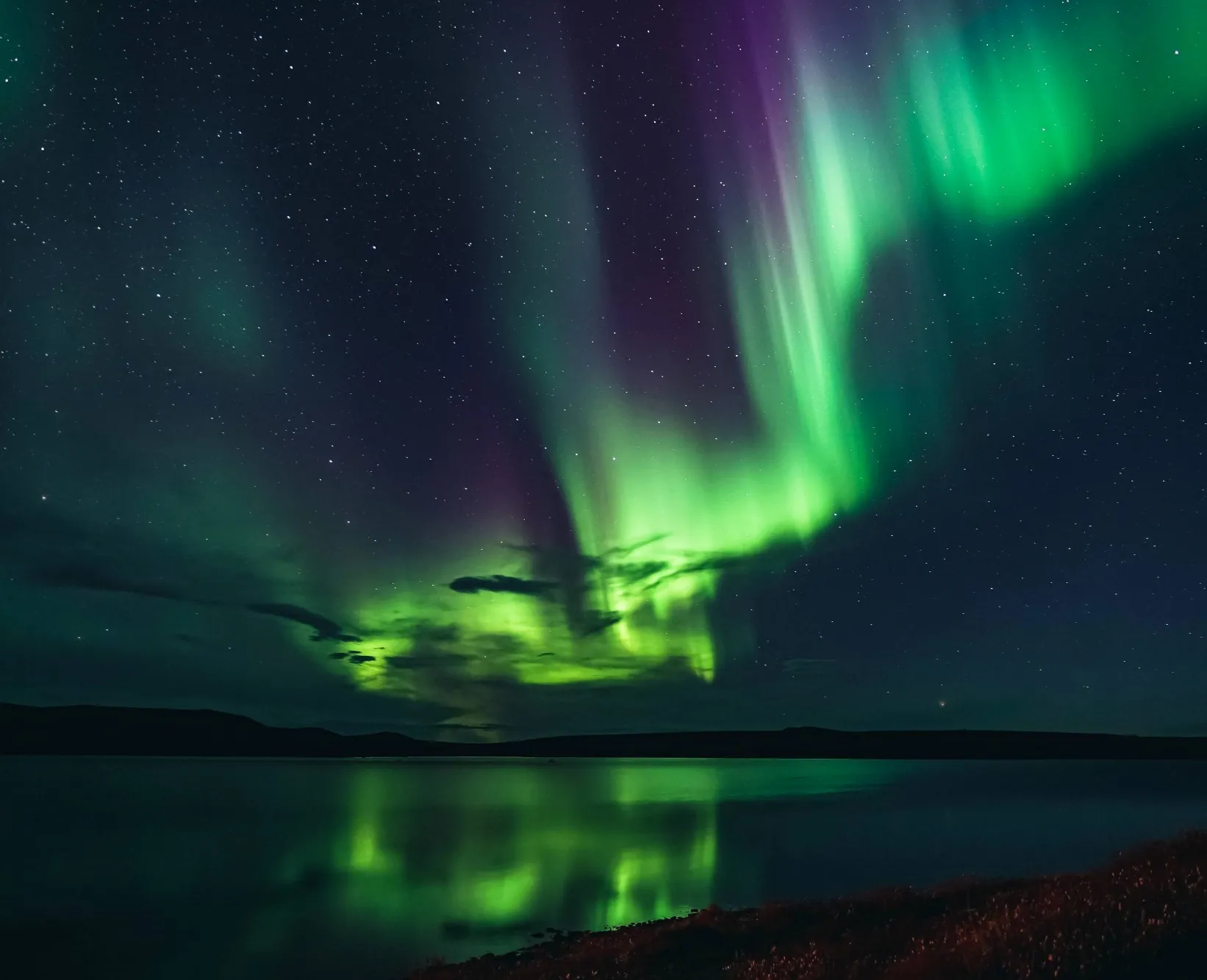
Slide 16: Jansen Nipko, undergraduate research student from Brigham Young University, captures the dazzling northern lights above Toolik Lake.
-
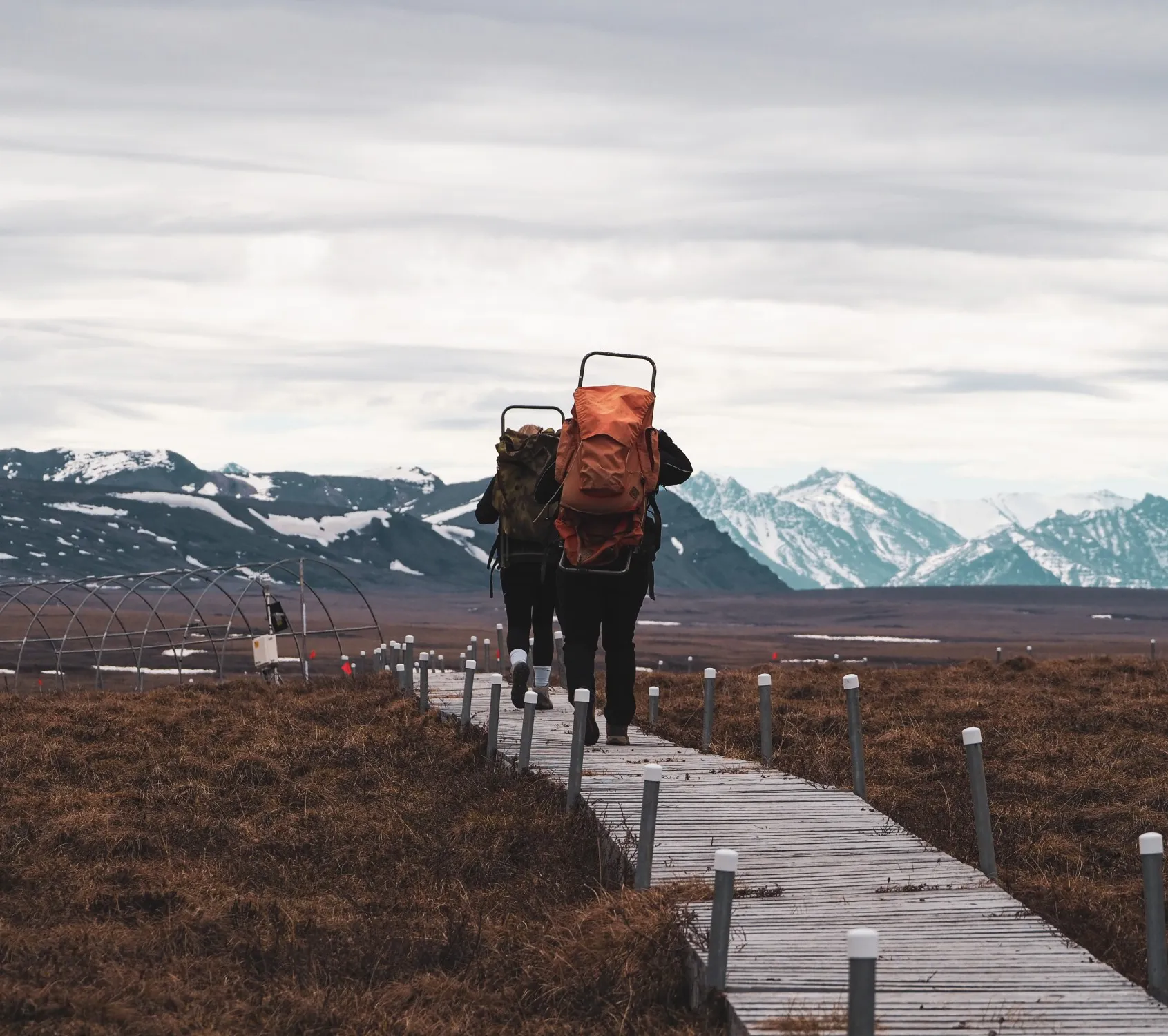
Slide 17: Field work with a view, Savannah Kjaer and Mayrangelli Torreson of the Arctic LTER terrestrial team hiking bags of fertilizer out to experimental plots that require nutrient addition. Credit: Nicole Williamson
-
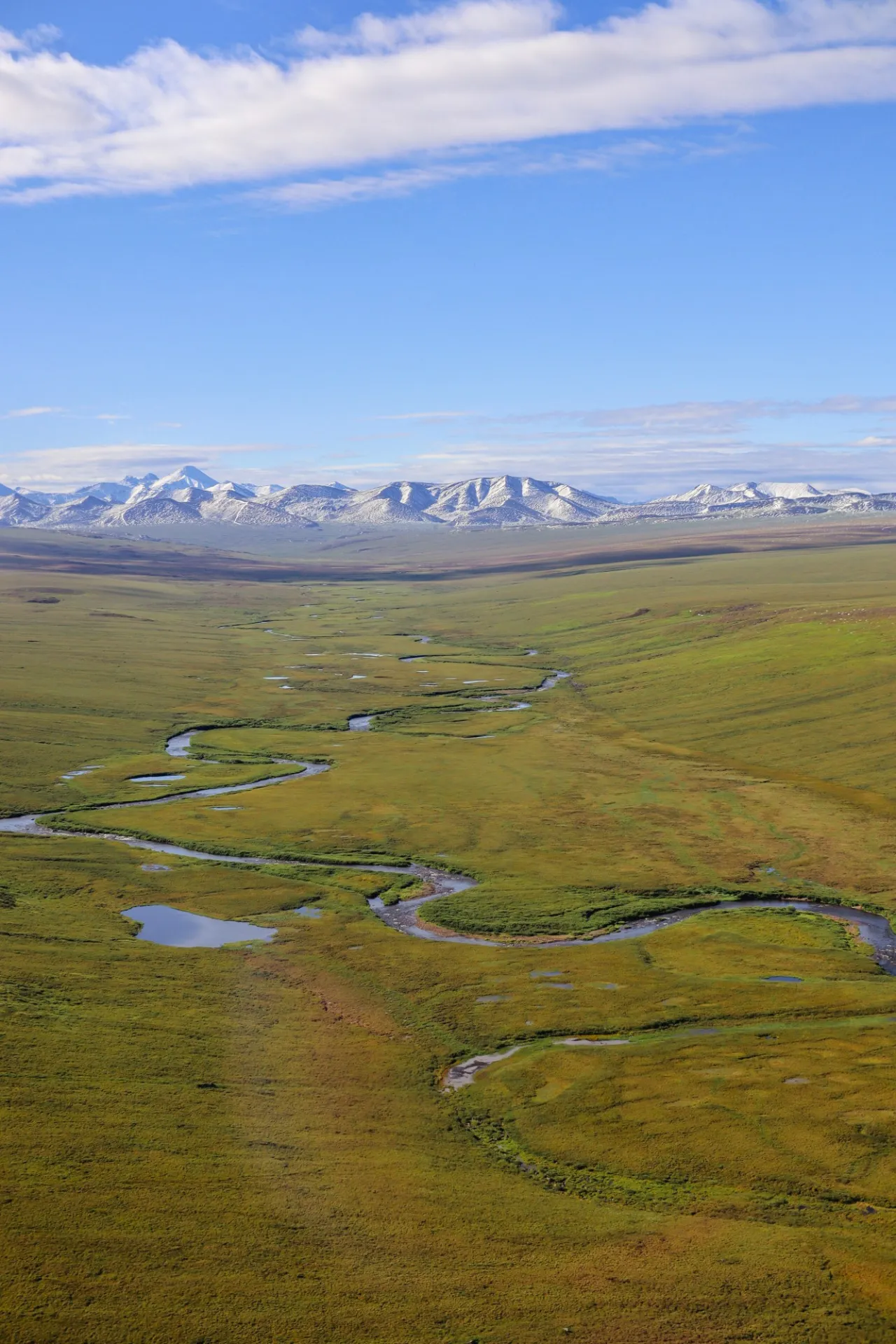
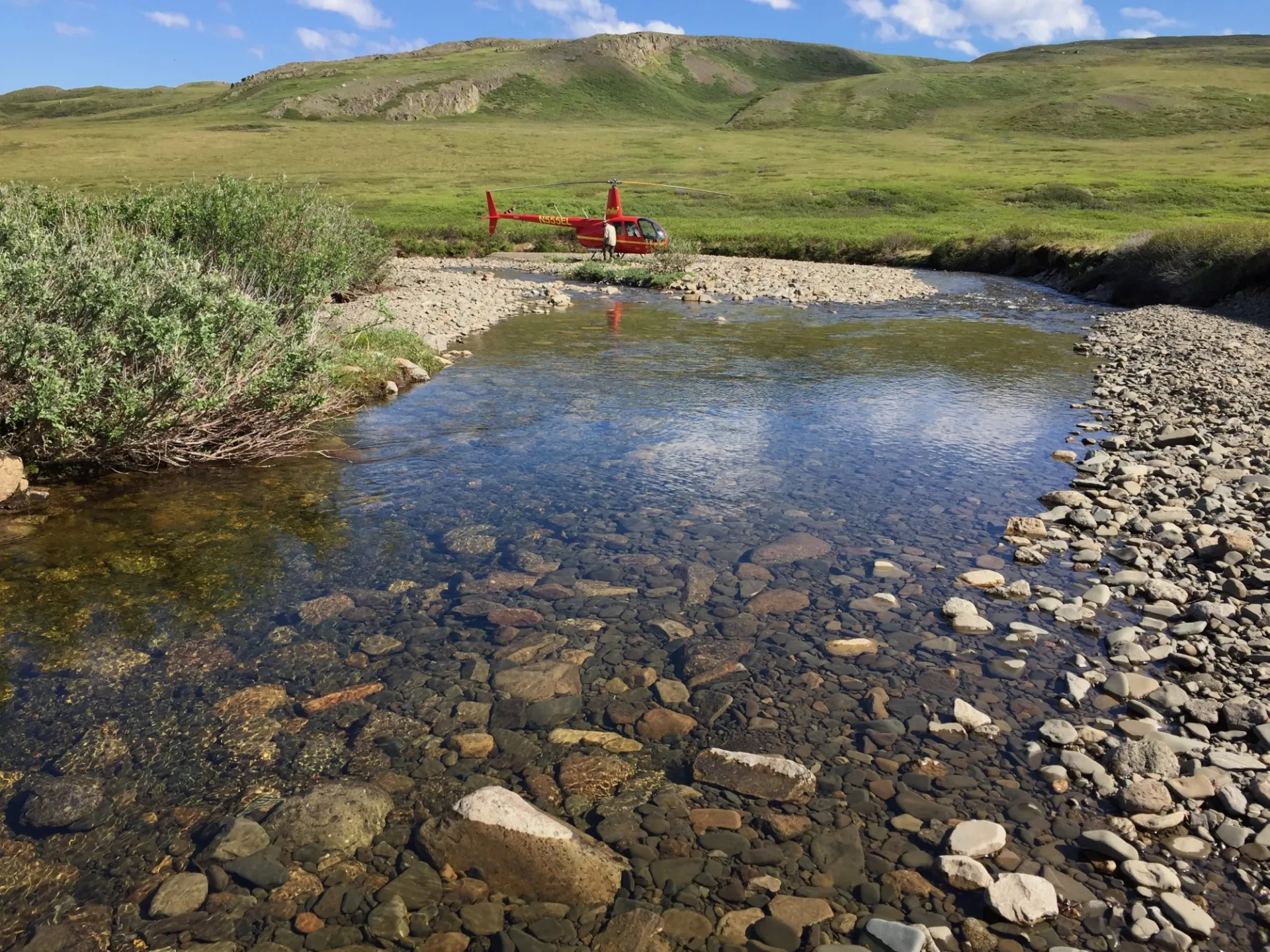
Slide 18: The Kuparuk River, North Slope, AK - View from Helicopter, Credit: Lindsay Vanfossen
-
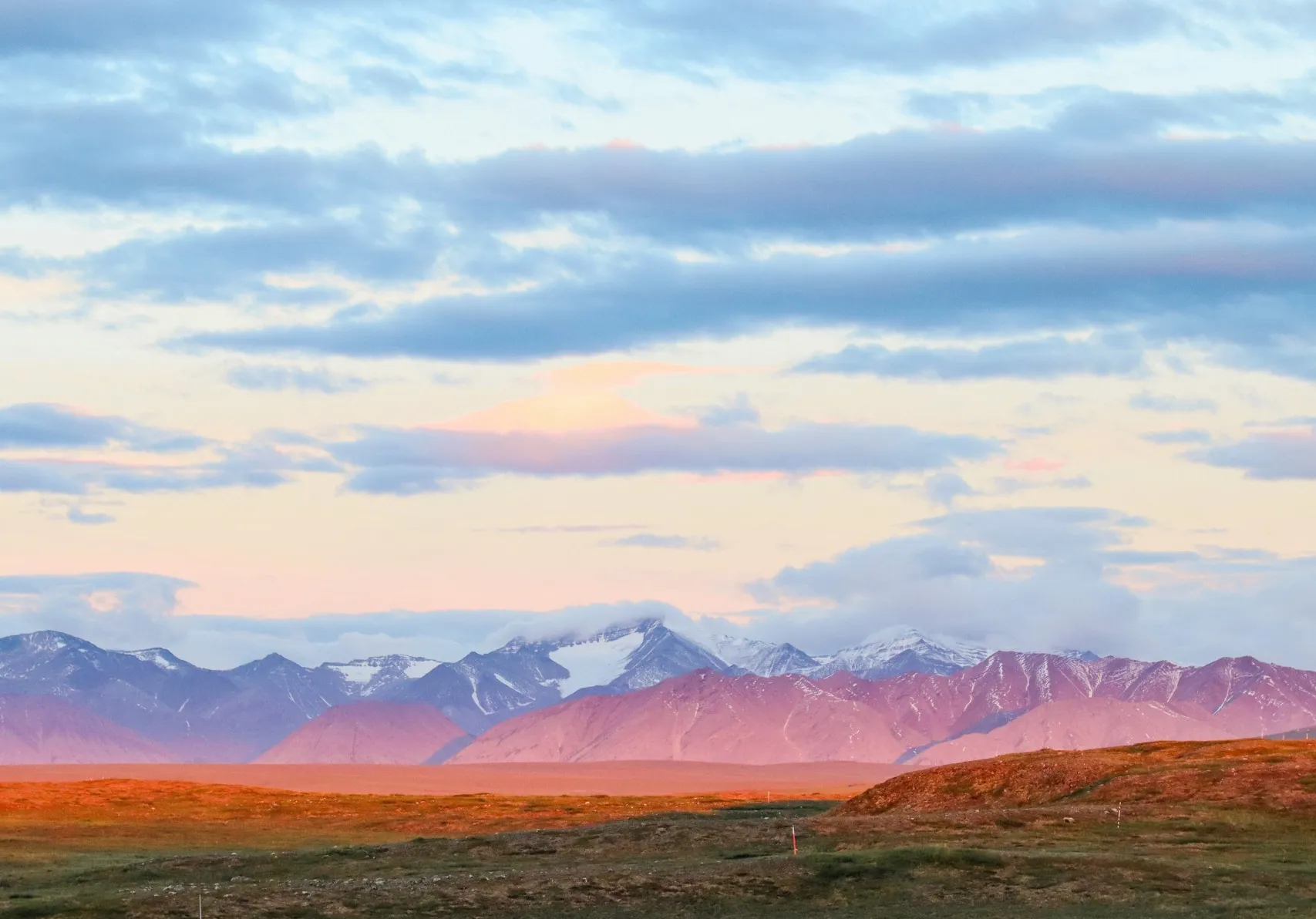
Slide 19: View of the north side of the Central Brooks Range from camp - Toolik Field Station. Credit: Lindsay Vanfossen
-
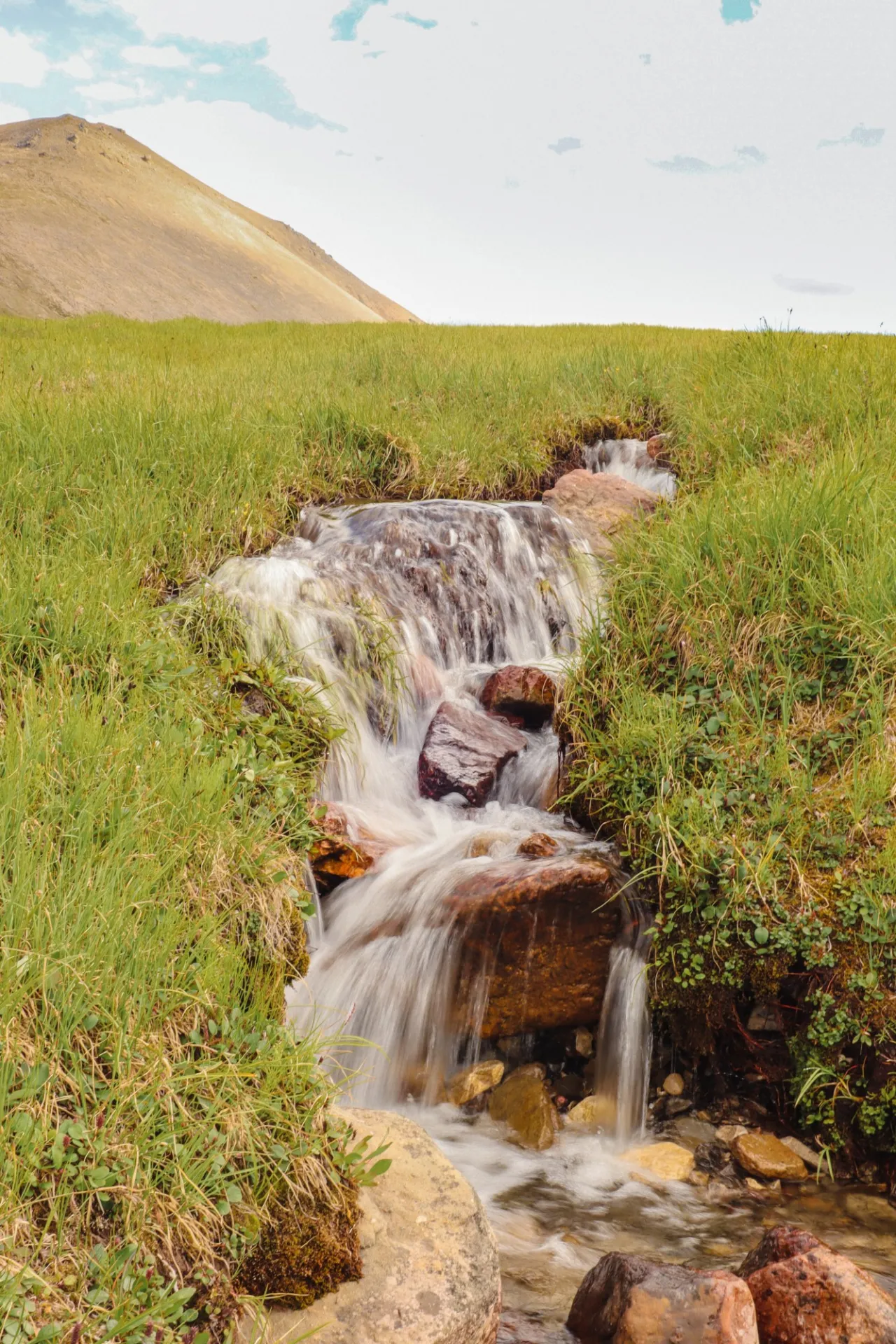
Slide 20: Arctic spring found on a hike to a mountain called "The Molar." @arctic_oases , spent their summer exploring spring-fed streams on the North Slope of Alaska! Spring-fed streams in this area are the only perennial flowing habitat and 95% of flowing habitats freeze in the winters.Credit: Lindsay Vanfossen
-
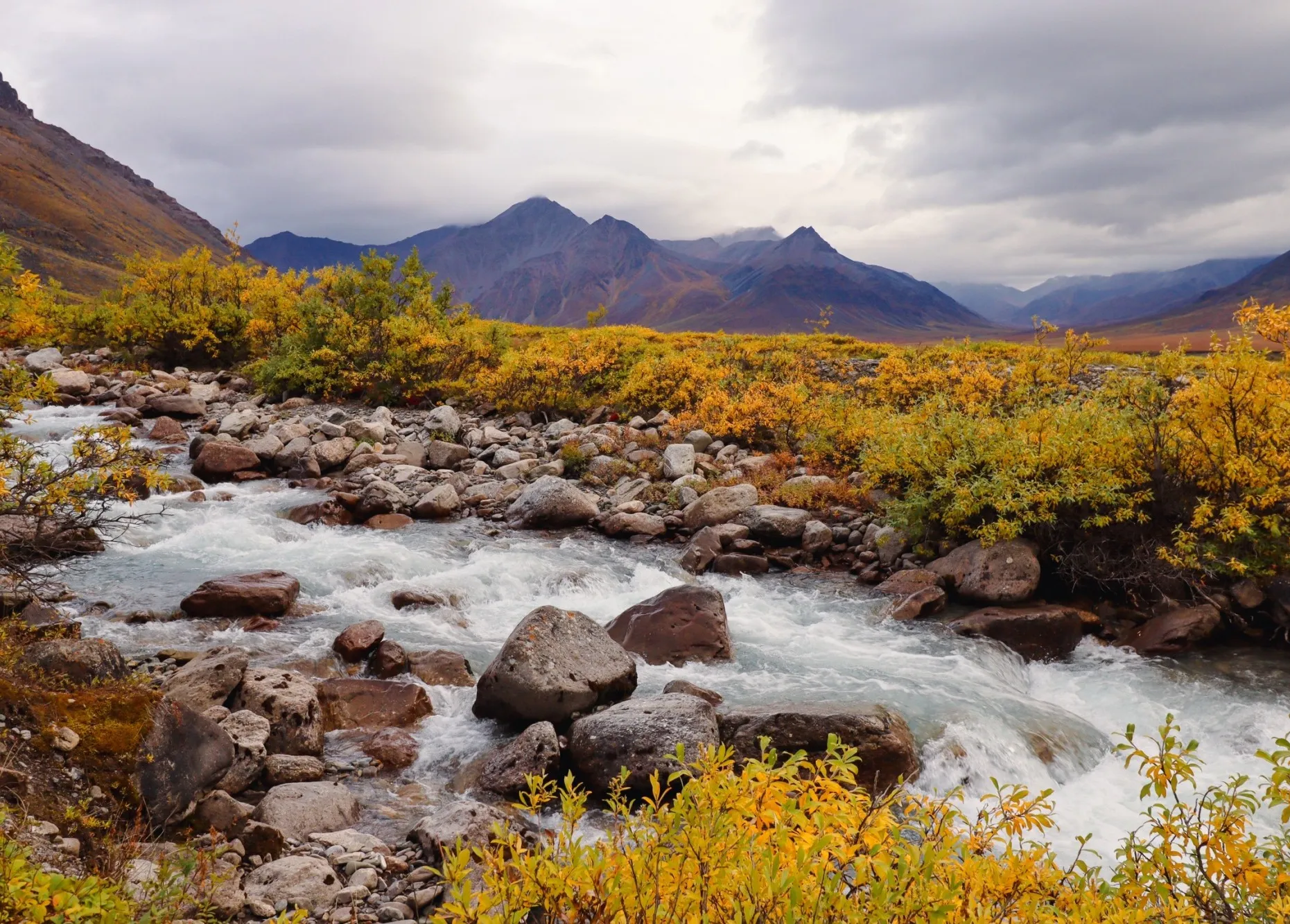
Slide 21: Autumn in the Arctic at Trevor Creek! The Arctic RIOS (River Integrated Observing through Synoptic Sampling) Team collects continuous biogeochemical data here at the Trevor Creek watershed outlet using in situ sensors throughout the summer season. Additionally, they sample the entire watershed four times throughout the summer with the goal of understanding nutrient dynamics throughout space and time! Credit: Lindsay Vanfossen
-
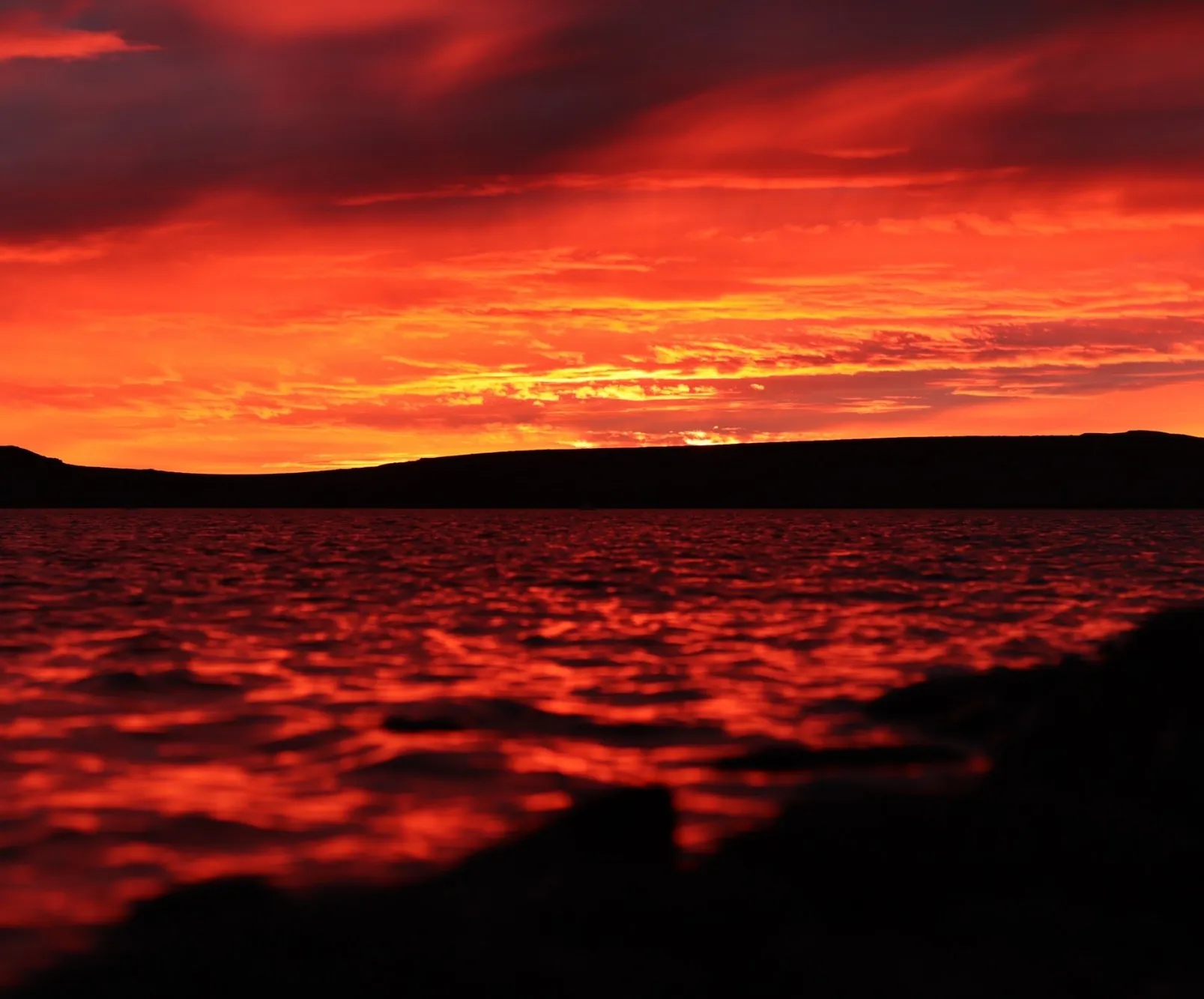
Slide 22: Incredible sunset on Toolik Lake. After a few months of constant daylight, the sun is finally setting on the North Slope of Alaska! Credit: Lindsay Vanfossen
-
Slide 23: Streams LTER Research Assistant Frances Iannucci recording dissolved oxygen in a watershed associated with the Arctic LTER. Credit: Aial Shogren
-
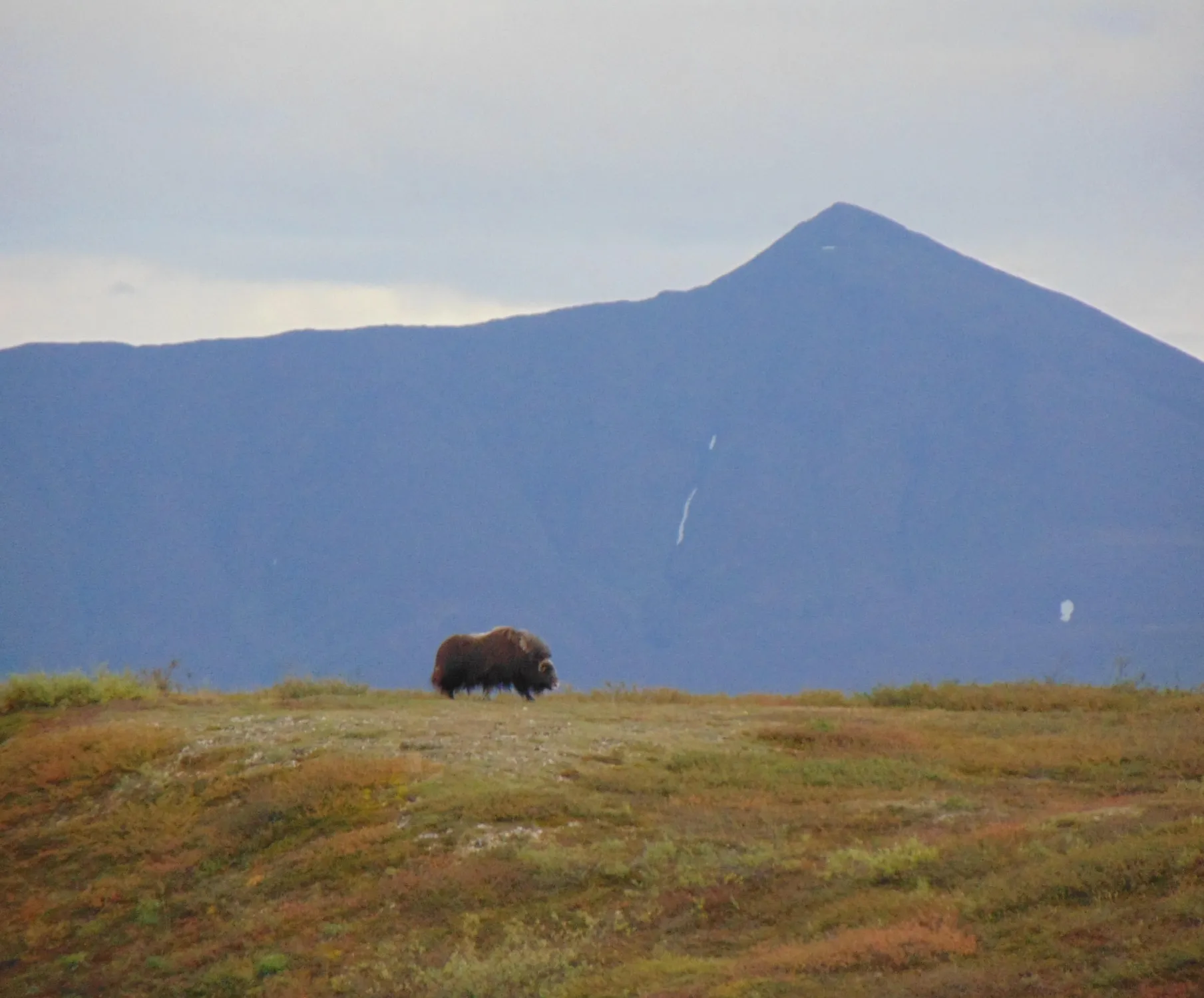
Slide 24: The elusive muskox stands atop a hill before approaching our truck on the nearby road. Credit: Julia Stuart
-
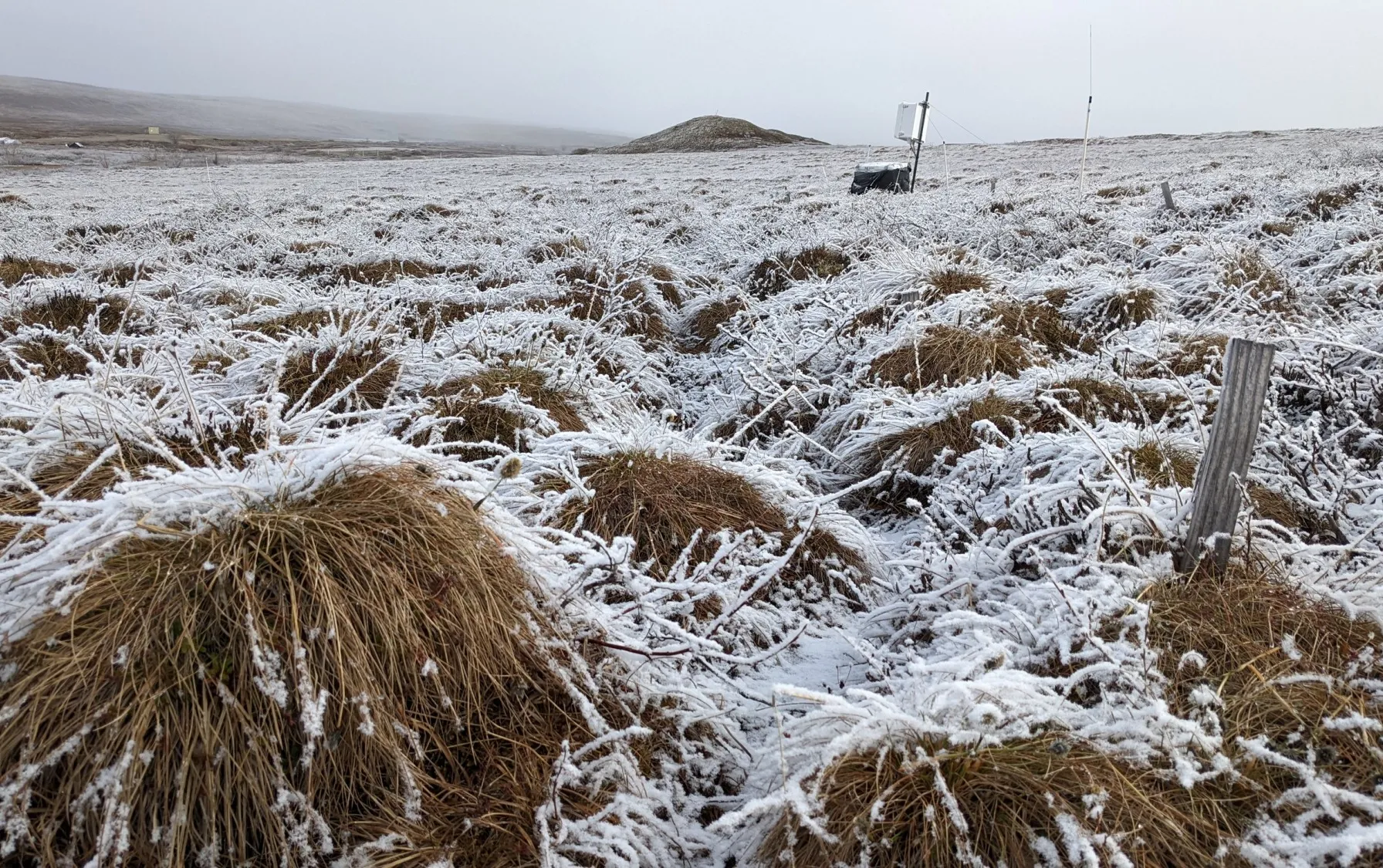
Slide 25: June 6th, 2022. A spring frost on the Arctic tundra. This is the future site of a transplant experiment I am setting up this summer to study mechanisms of Arctic shrubification. Credit: Ruby An
-
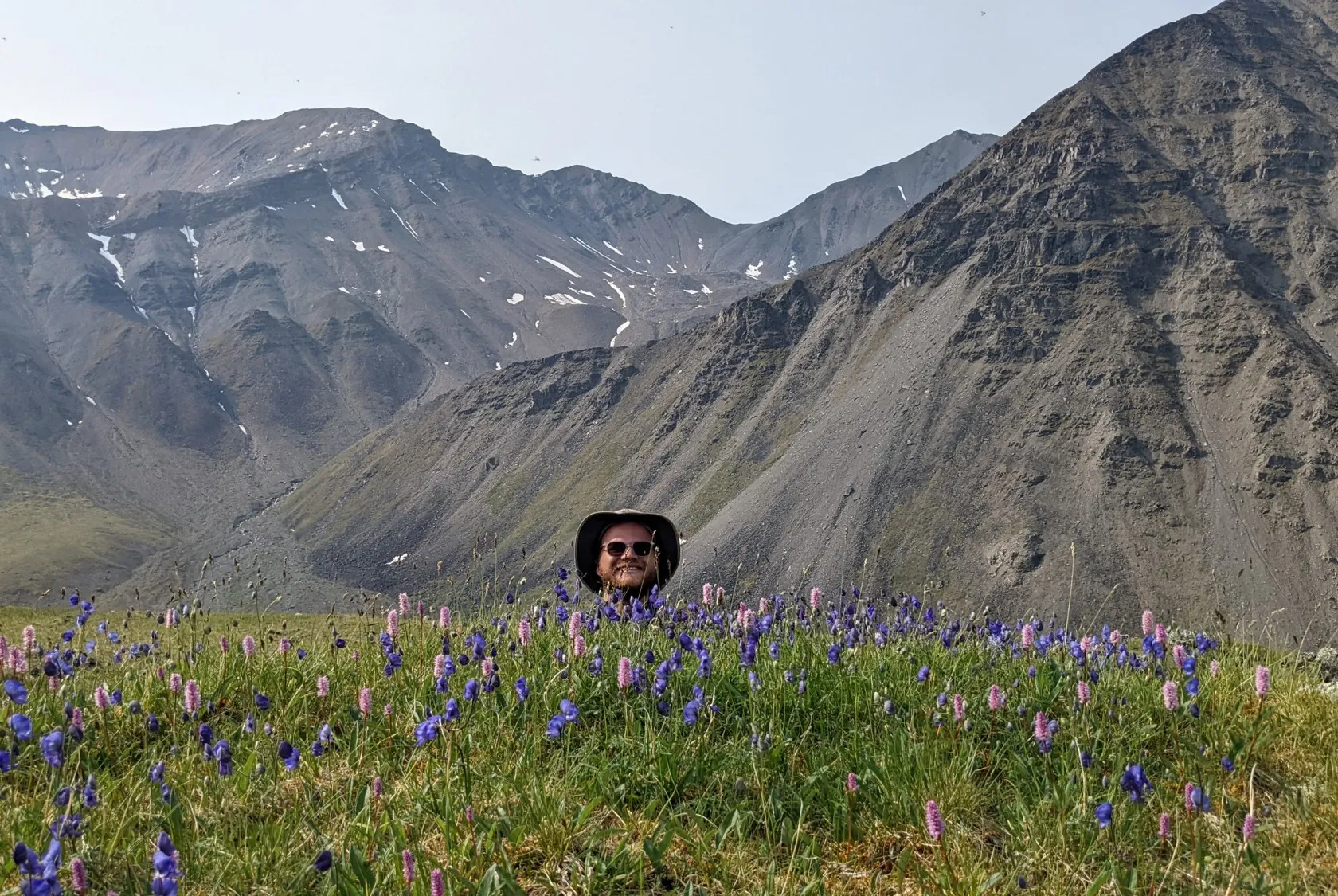
Slide 26: July 10, 2022. An alpine meadow on the continental divide in the Brooks Range, Alaska. feat. monkshood (Aconitum delphiinifolium), meadow bistort (Polyganum bistorta), and a blooming Arctic scientist (Bjorn Larsen). Credit: Ruby An
-
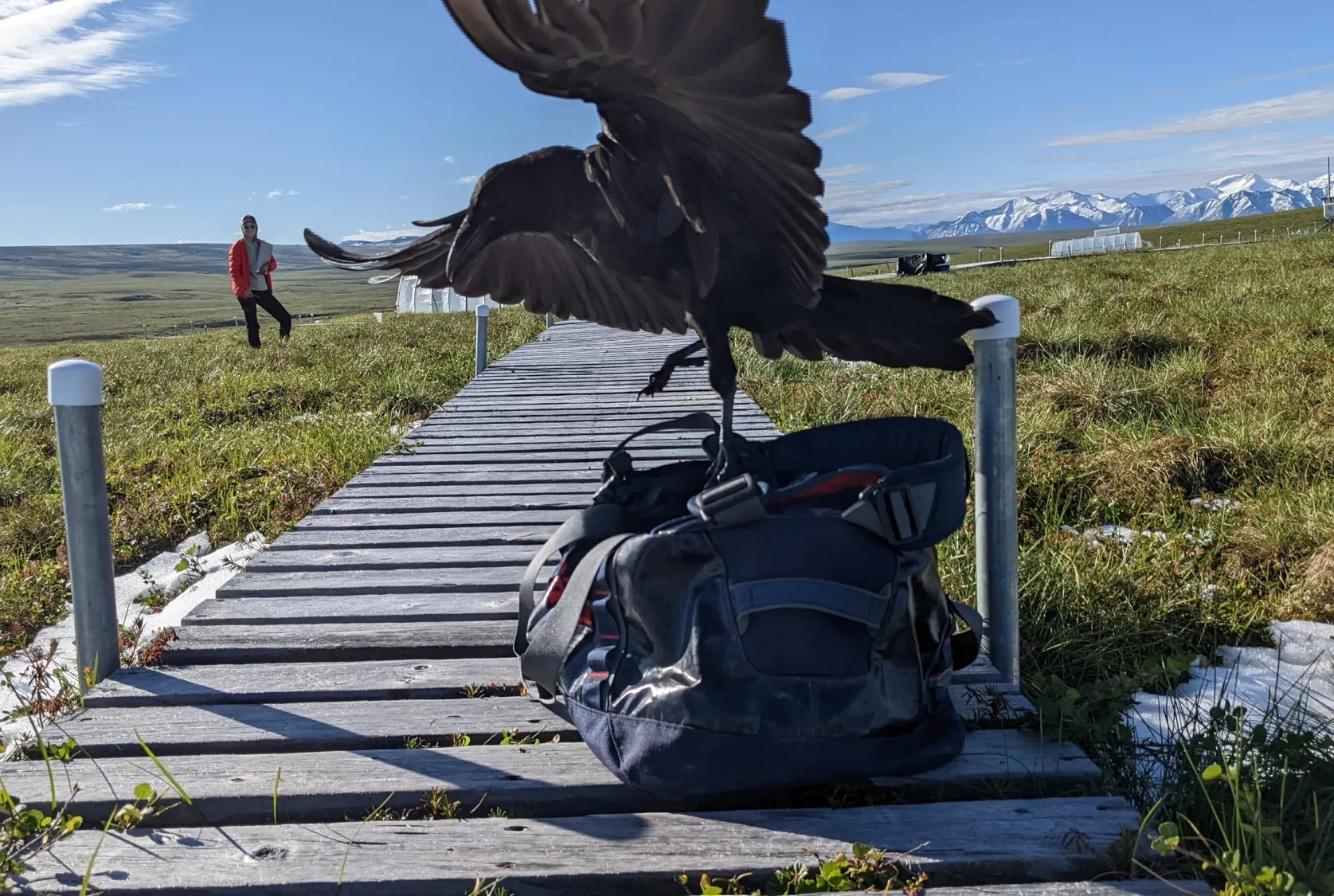
Slide 27: July 15, 2022. Undergraduate researcher Helen Brush oversees phenological data collection on 6 tundra species following a July snow, with unexpected field help from a curious raven. Credit: Ruby An
-
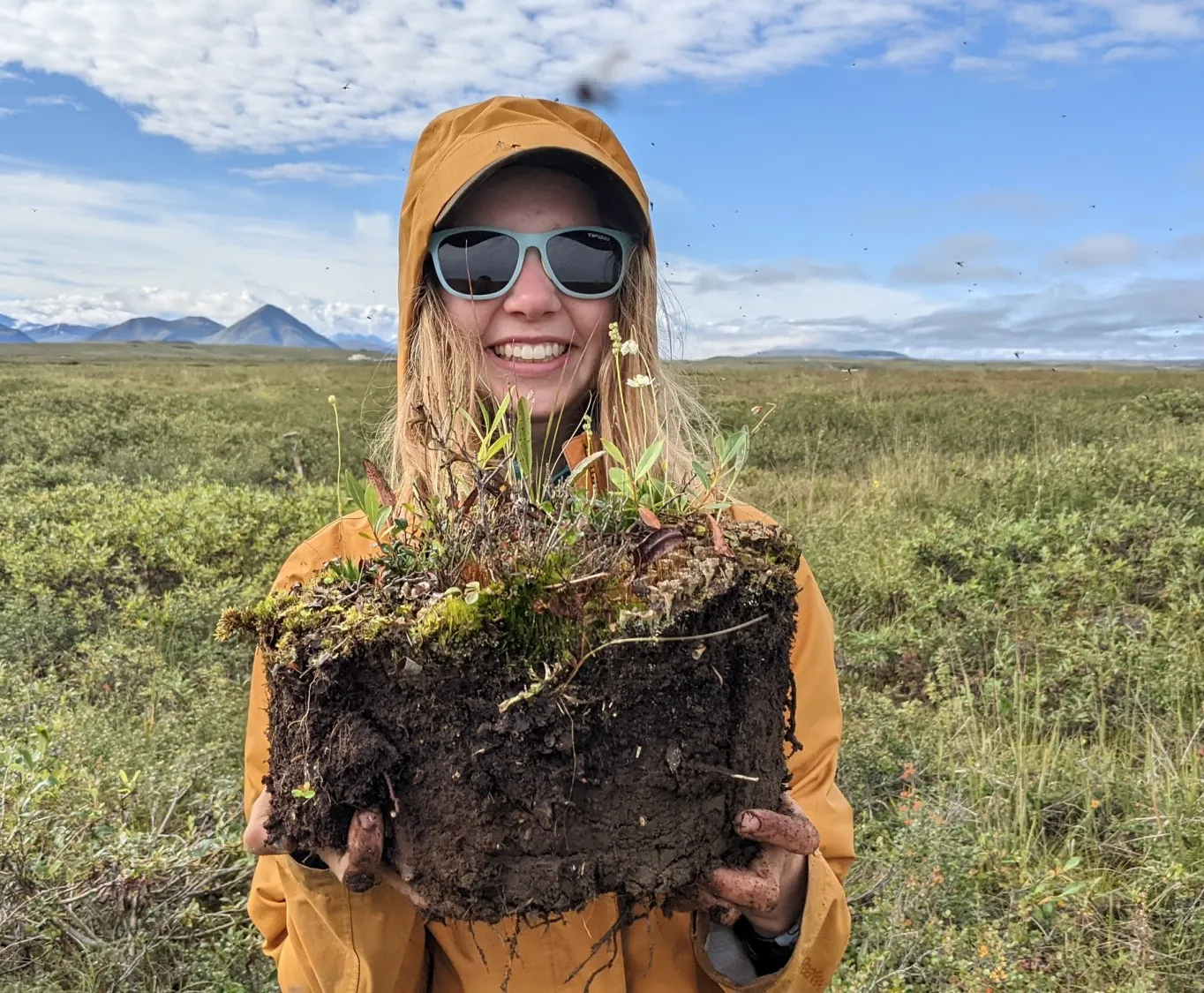
Slide 28: August 2, 2022. Tundra microcosms. Undergraduate researcher Helen Brush collecting tundra willow seedlings from frost boils to investigate the establishment of tundra shrubs across the Arctic. Credit: Ruby An
-
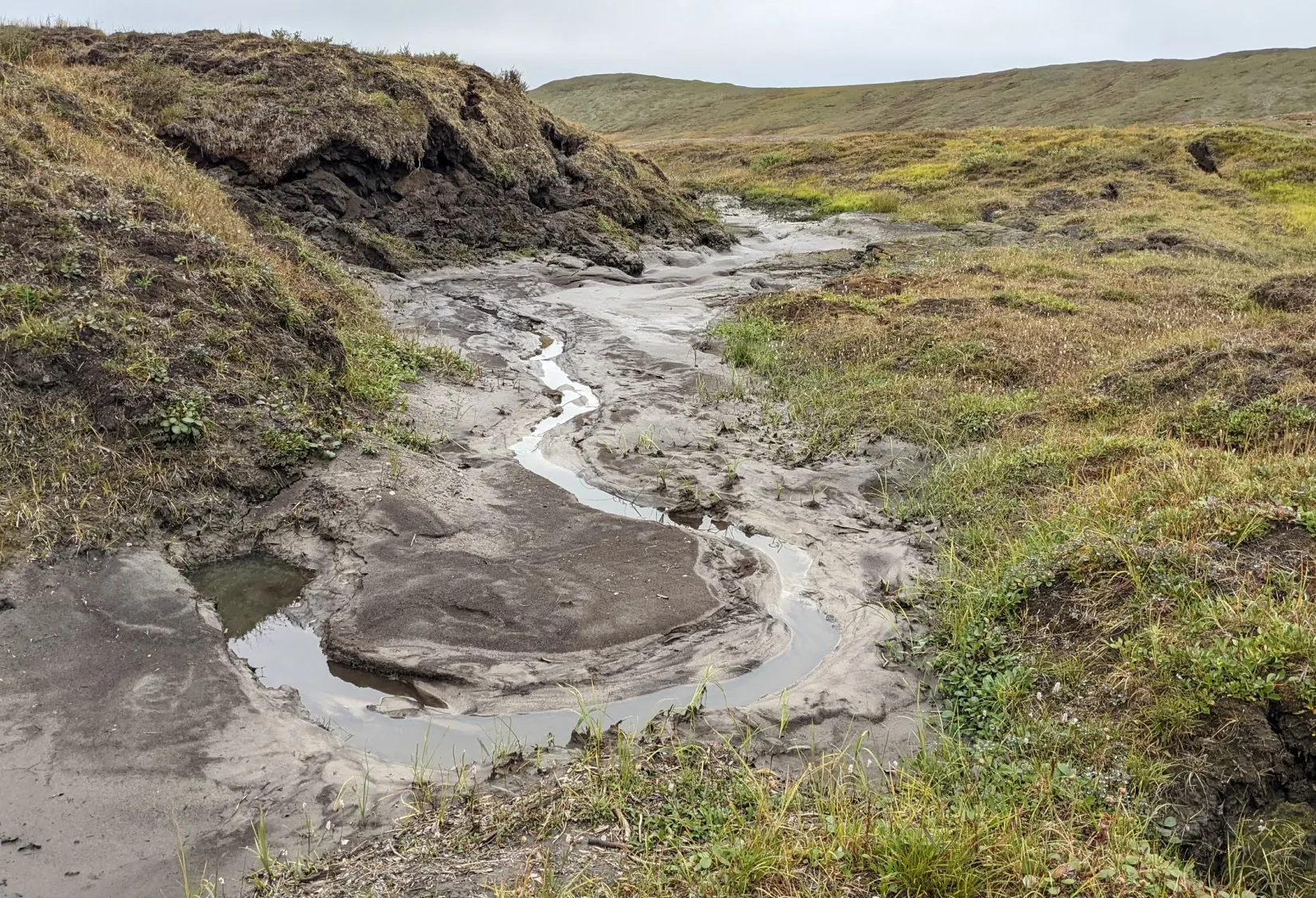
Slide 29: August 14, 2022. Jade Mountain thermokarst. Ice wedge degradation and thawing permafrost causes the ground to slump, splitting open the tundra and releasing large amounts of greenhouse gases from new microbial processing of ancient soils. Credit: Ruby An
-
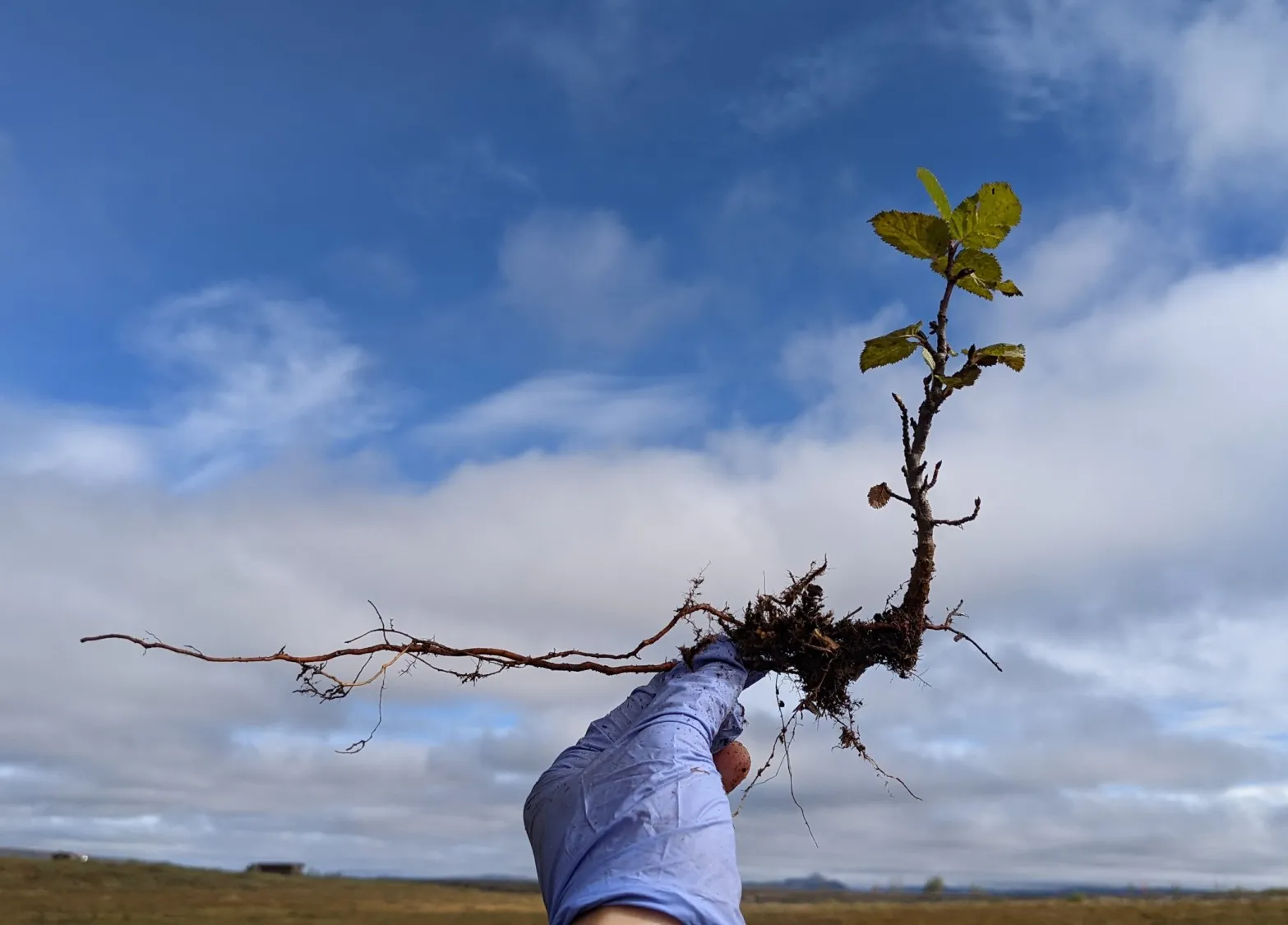
Slide 30: August 16, 2022. An arctic alder seedling collected near the Sagavanirtok river. These N-fixing shrubs are increasing across the North Slope of Alaska. Credit: Ruby An
-
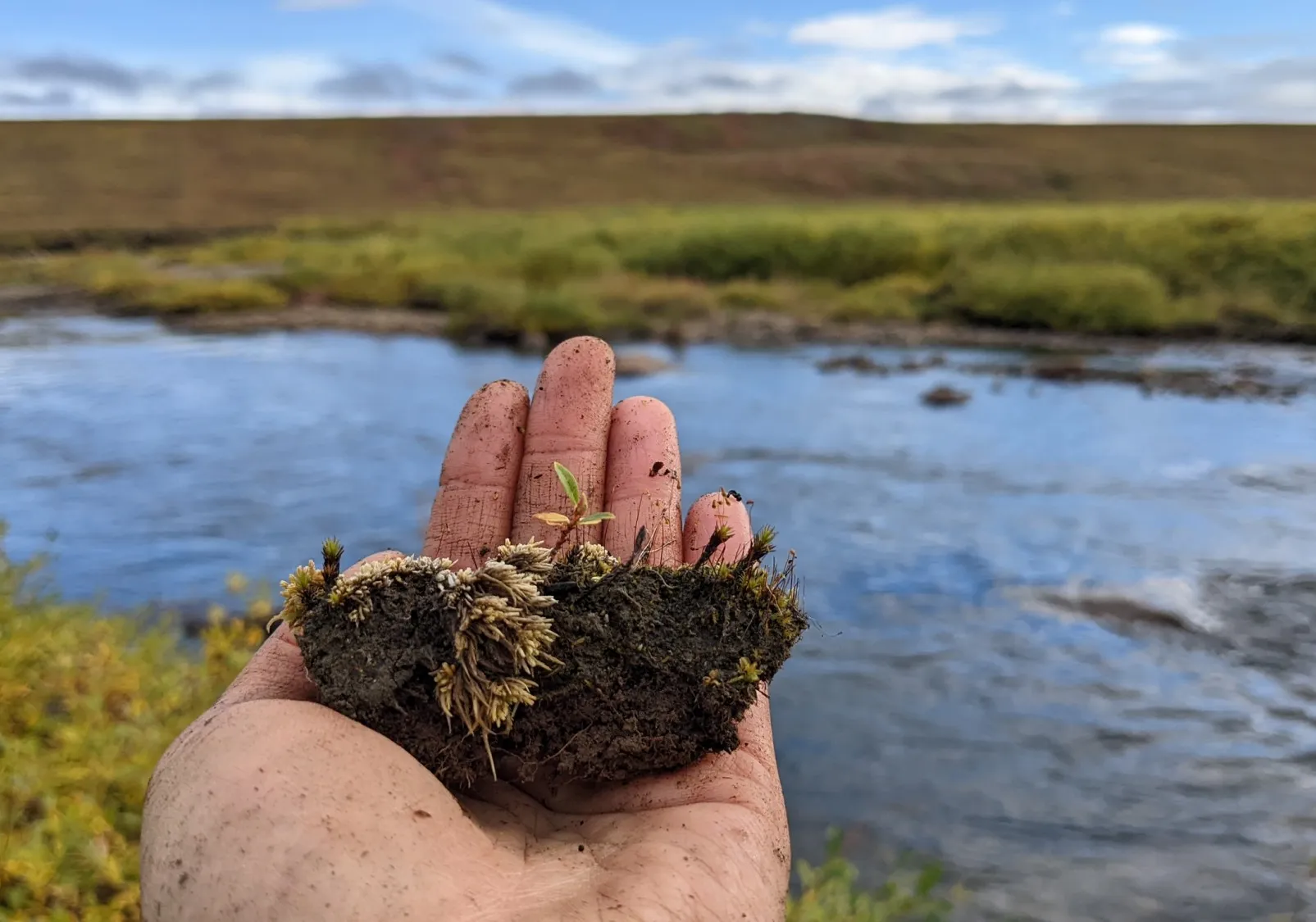
Slide 31: August 18, 2022. A willow seedling (Salix pulchra) from the banks of the Kuparuk river. Credit: Ruby An
-
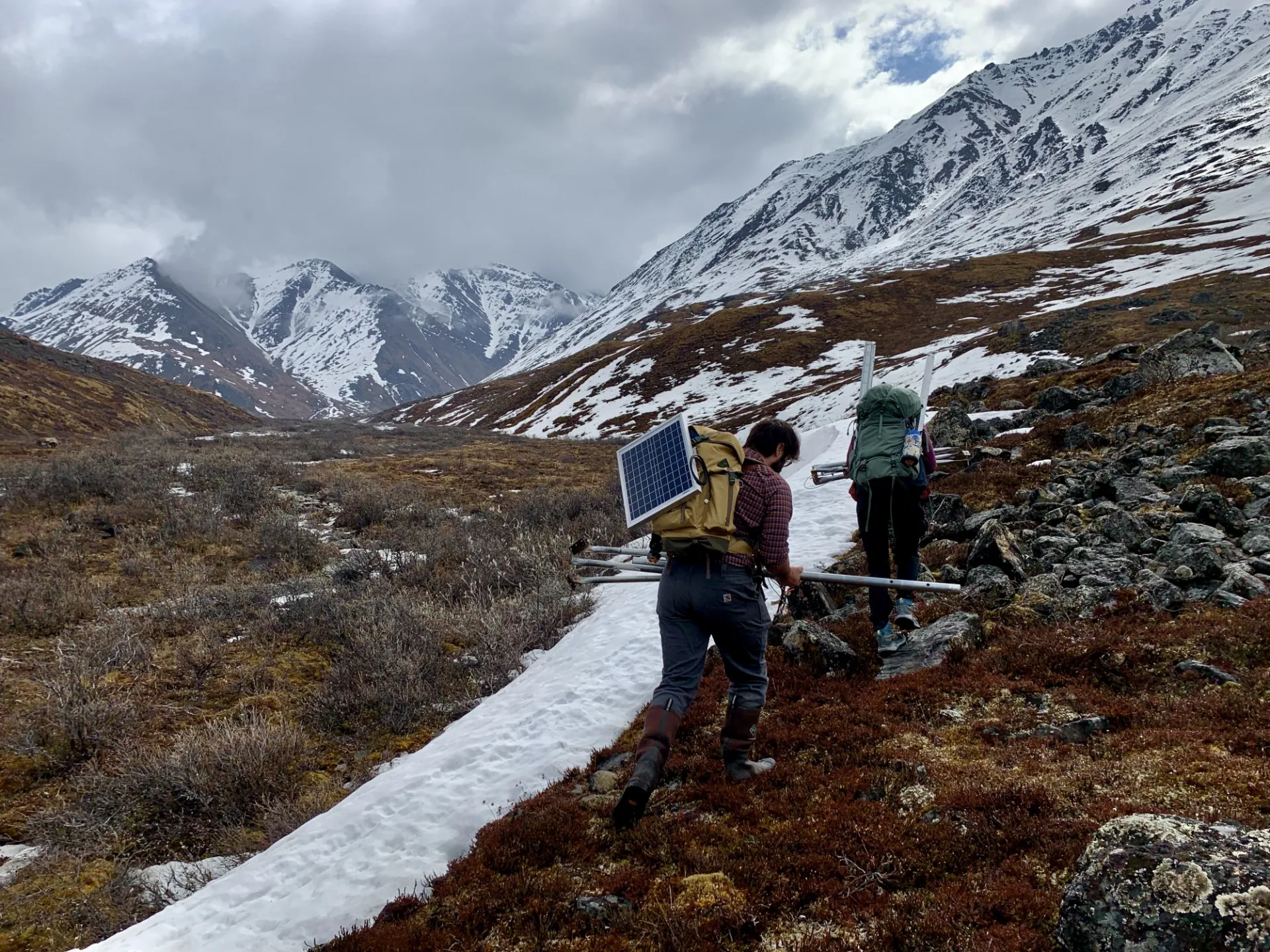
Slide 32: June is a month of chaos in the tundra, for both the landscape and the scientists. As snow from the long Arctic winter disappears, our team hauls solar panels, weather station equipment, and in situ stream chemistry sensors into the Brooks Range to keep up with the rapid seasonal changes. By doing so, we hope to understand more about how Arctic stream nutrient concentrations change throughout space and time during the flow season, particularly as permafrost thaws and the active layer thickens. Credit: Abigail Rec
-
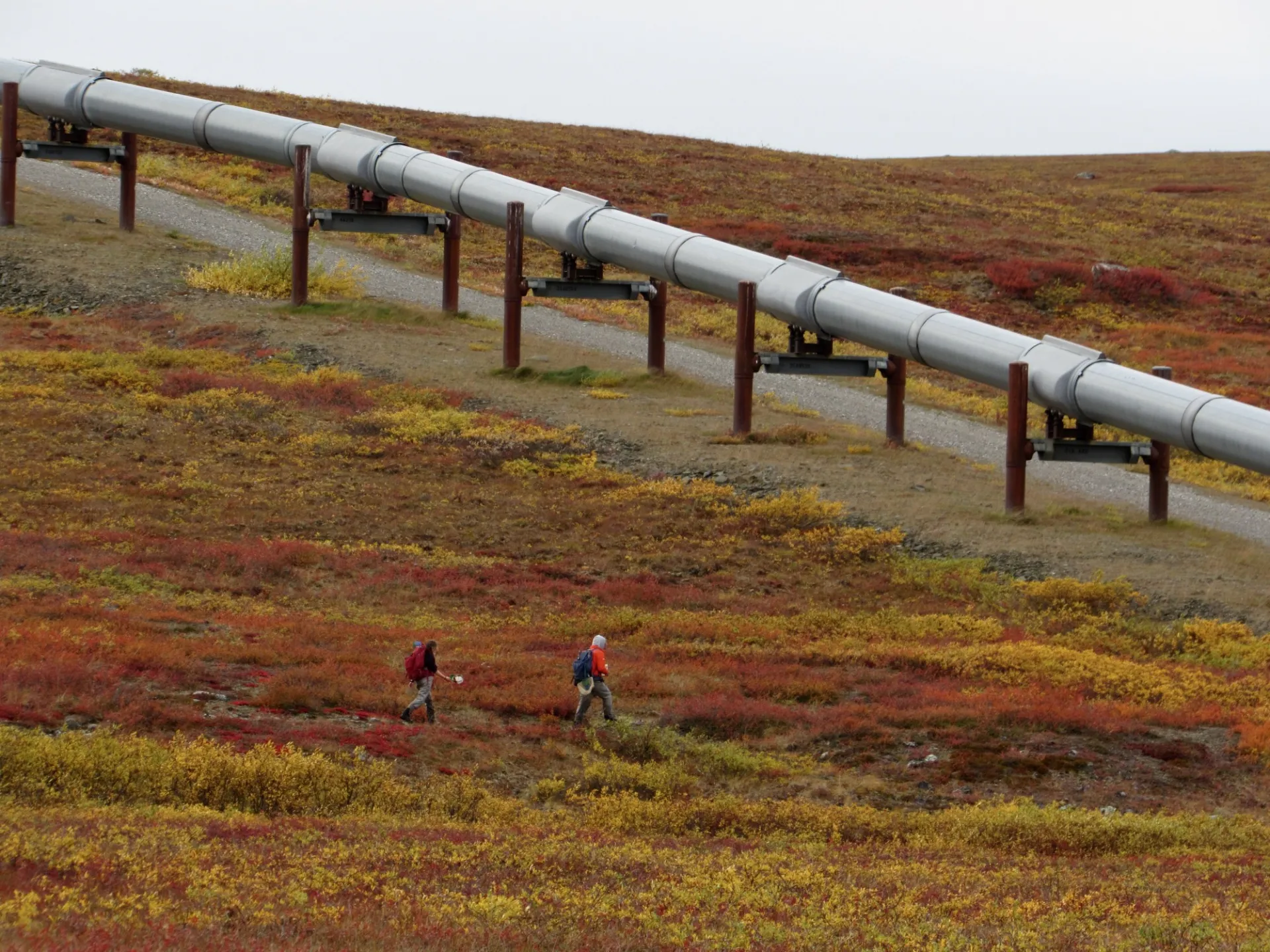
Slide 33: August in the Alaskan arctic brings vibrant autumn colors to the landscape. It envelops even our LTER field partners, who cross under the Alyeska Pipeline every day in order to access their field sites on the Kuparuk River. It is a dichotomy that reminds us of our dependence on these lands, as well as the urgency of good stewardship in this critical zone that we research. Photo taken on Dënéndeh, Gwich’in Nành, and Inupiat native lands. Credit: Abigail Rec
-
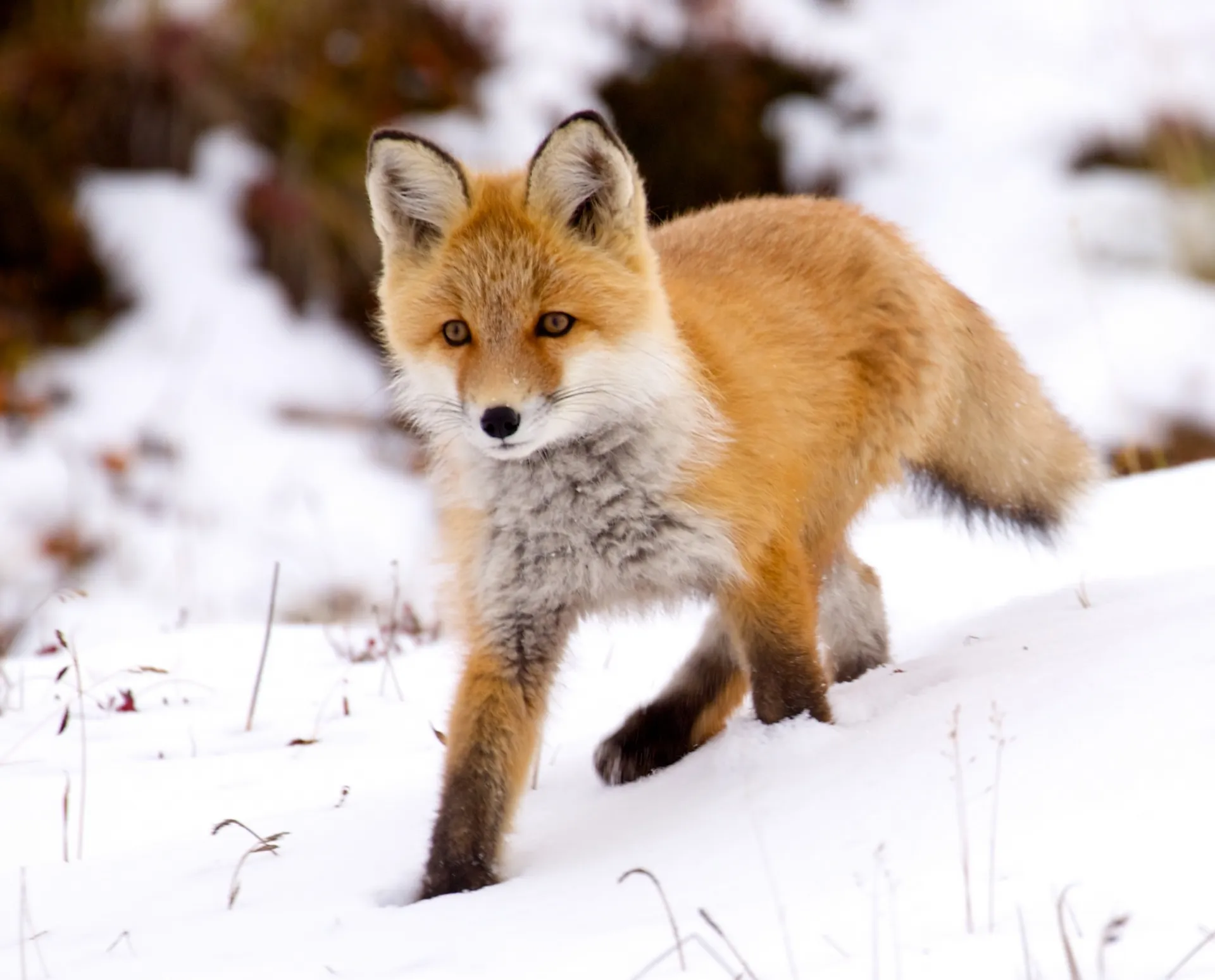
Slide 34: Fox in the snow, Credit: Alan Krakauer
-
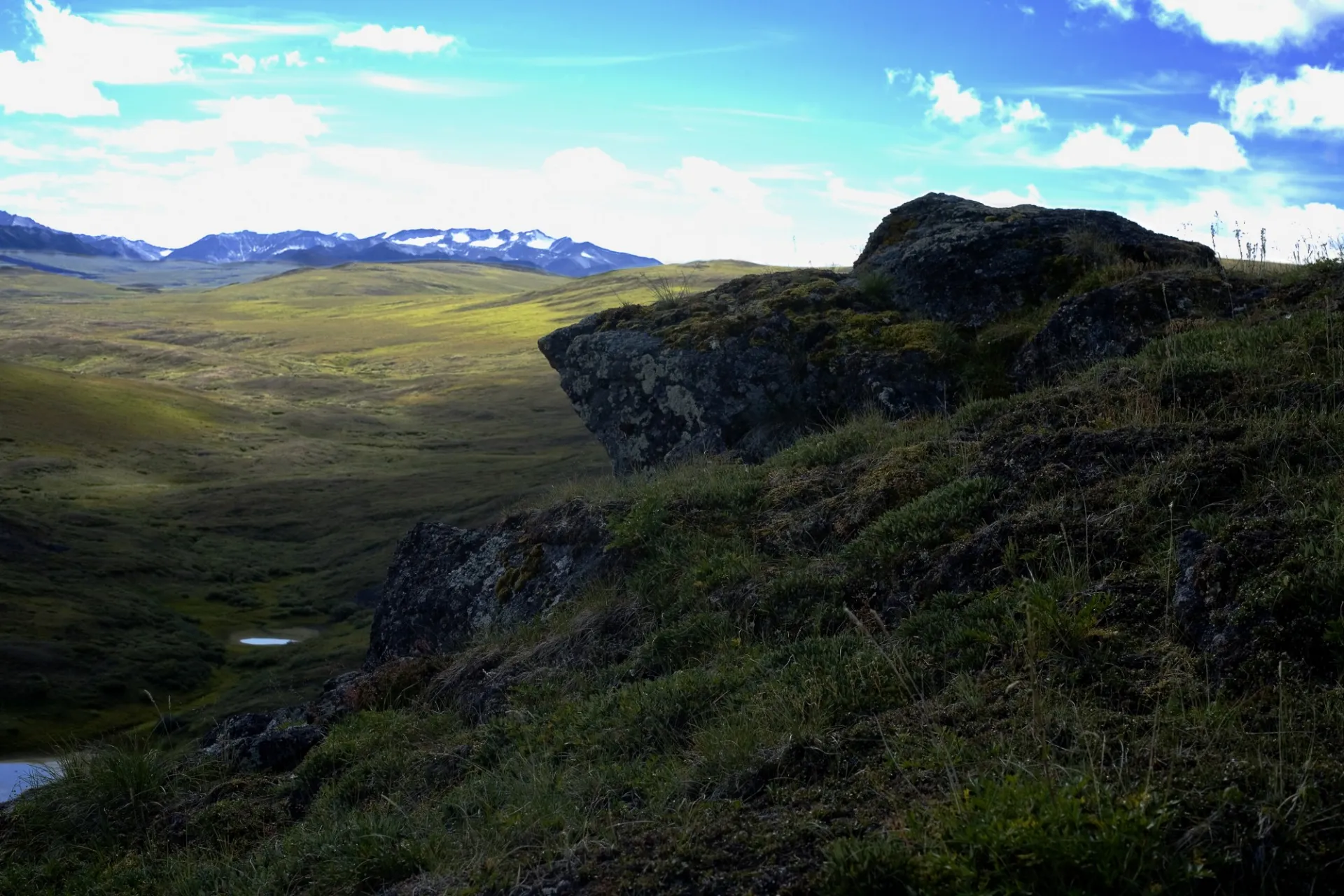
Slide 35: Hill slope in the foothills of the Brooks range, Credit: Jeremy Butler
Our Partners